
Mercury Fuses
Mercury glass cartridge fuses fit equipment fuse holders, in the two common body sizes, 5 x 20mm and 6 x 32mm, and in slow blow and quick blow versions. The single fuses come ten to a pack, and ratings include 100mA on the 787.000UK and 20A on the 787.273UK. The page also carries an assortment of 160 quick blow fuses in a storage case and in-line fuse holders.
 Save £0.01
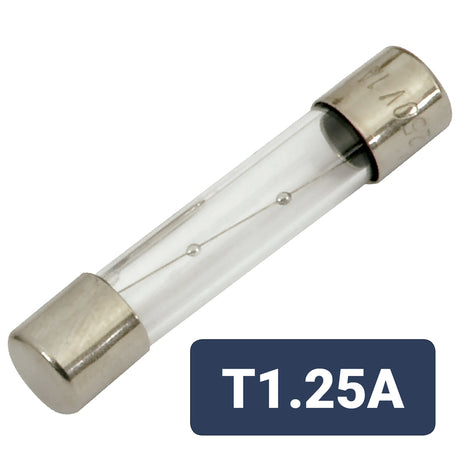
Mercury: 787.138UK, 6 x 32mm Slow Blow Fuses, 1.25A, 250V, IEC Compliant, Pack of 10
IEC Compliant£ 0 21RRP: £0.22Fast delivery Fri, 23 Oct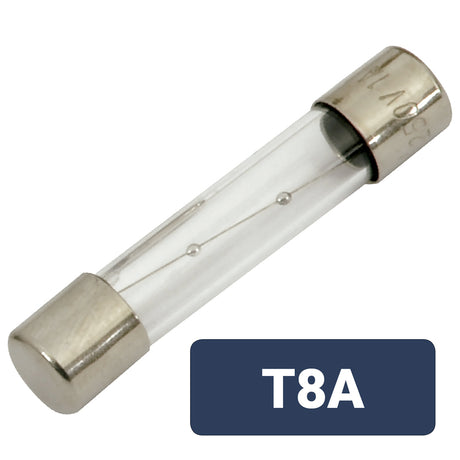 Save £0.01
Mercury: 787.146UK, Slow Blow Glass Fuses, 6 x 32mm, 250V, 8A, Pack of 10
£ 0 21RRP: £0.22Fast delivery Fri, 23 Oct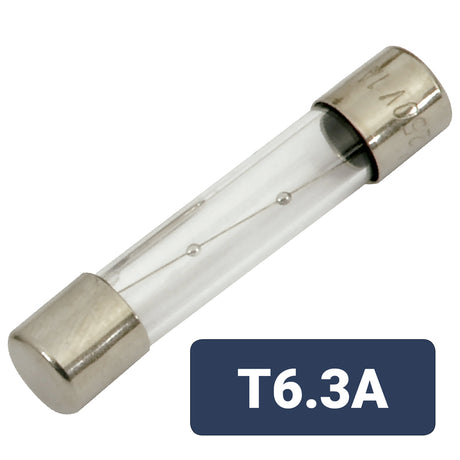 Save £0.01
Mercury: 787.145UK, Fuses 6 x 32mm Slow Blow, 6.3A, 250V, Pack of 10
IEC Compliant£ 0 21RRP: £0.22Fast delivery Fri, 23 Oct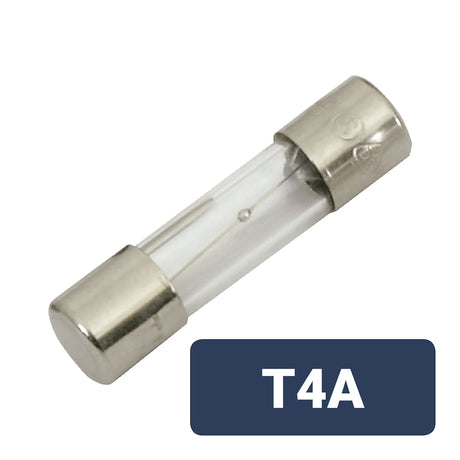 Save £0.01
Mercury: 787.016UK, 5 x 20mm Slow Blow Fuse, 4A, 250V, IEC Compliant, Pack of 10
IEC Compliant£ 0 21RRP: £0.22 Save £0.01
Mercury: 787.004UK, Fuses 5 x 20mm Slow Blow, 10 Pack, 250V, IEC Compliant
IEC Compliant£ 0 21RRP: £0.22Fast delivery Fri, 23 Oct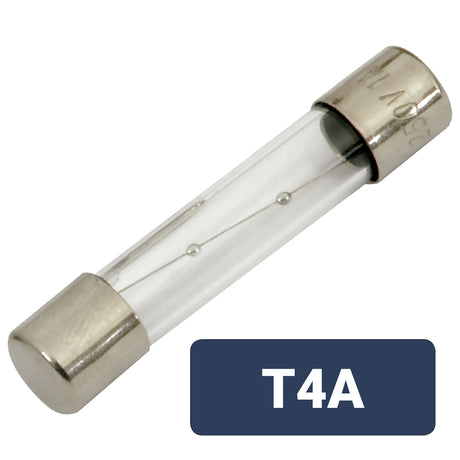 Save £0.01
Mercury: 787.143UK, Slow Blow Glass Fuses, 6 x 32mm, 4A, 250V, IEC Compliant, Pack of 10
IEC Compliant£ 0 21RRP: £0.22Fast delivery Fri, 23 Oct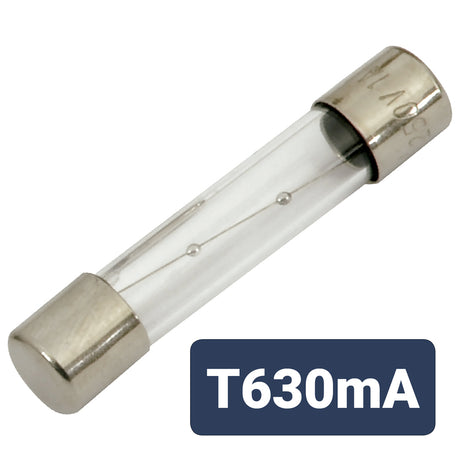 Save £0.01
Mercury: 787.135UK, 6 x 32mm Slow Blow Glass Fuses, 630mA, 250V, Pack of 10
IEC Compliant£ 0 21RRP: £0.22Fast delivery Fri, 23 Oct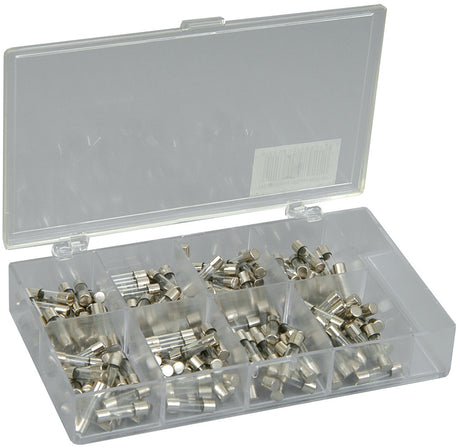 Save £0.46
Mercury: 799.050UK, Quick Blow Glass Fuses Assortment, 160 pcs, 5 x 20mm, 0.5-10A
160 Piece Set£ 6 22RRP: £6.68Fast delivery Fri, 23 Oct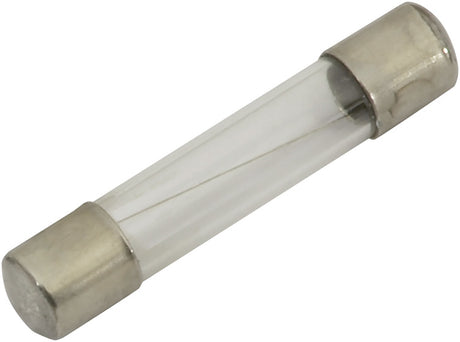 Save £0.01
Mercury: 787.342UK, Quick Blow Glass Fuses, 6 x 32mm, 20A, 250V, Pack of 10
IEC Compliant£ 0 21RRP: £0.22Fast delivery Fri, 23 Oct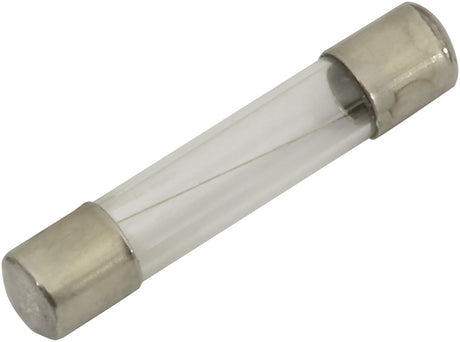 Save £0.01
Mercury: 787.341UK, Quick Blow Glass Fuses, 6 x 32mm, 15A, 250V, Packs of 10
Quick Blow£ 0 21RRP: £0.22Fast delivery Fri, 23 Oct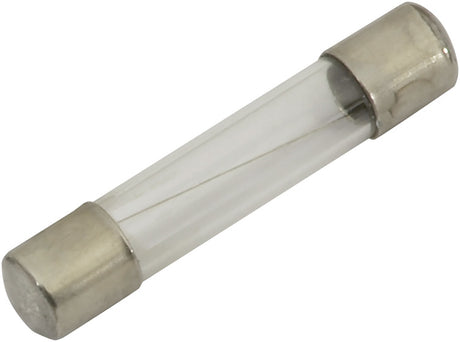 Save £0.01
Mercury: 787.340UK, Quick Blow Glass Fuses, 6 x 32mm, 12A, 250V, Pack of 10
IEC Compliant£ 0 21RRP: £0.22Fast delivery Fri, 23 Oct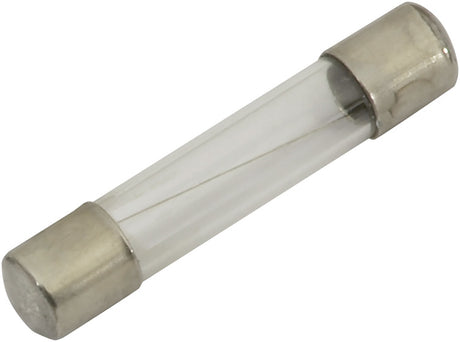 Save £0.01
Mercury: 787.339UK, Quick Blow Glass Fuses, 10A, 6 x 32mm, 250V, Pack of 10
£ 0 21RRP: £0.22Fast delivery Fri, 23 Oct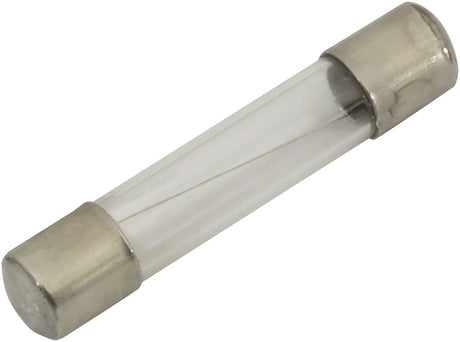 Save £0.01
Mercury: 787.336UK, Quick Blow Glass Fuses, 6 x 32mm, 5A, 250V, Pack of 10
Quick Blow£ 0 21RRP: £0.22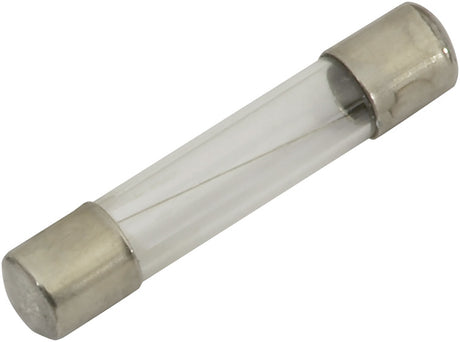 Save £0.01
Mercury: 787.335UK, Quick Blow Glass Fuses, 6 x 32mm, 4A, 250V, Pack of 10
Certified Safe£ 0 21RRP: £0.22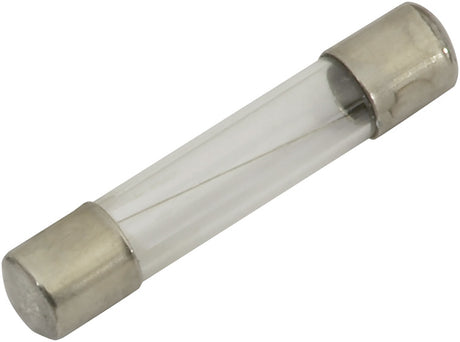 Save £0.01
Mercury: 787.334UK, Quick Blow Glass Fuses, 6 x 32mm, 3A, IEC Compliant, Pack of 10
IEC Compliant£ 0 21RRP: £0.22Fast delivery Fri, 23 Oct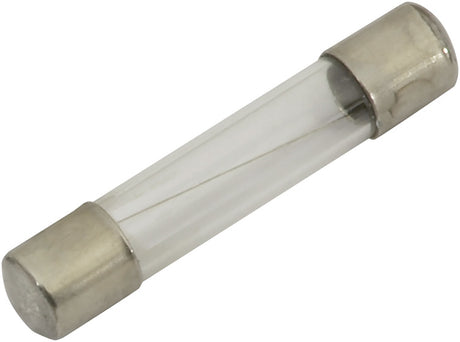 Save £0.01
Mercury: 787.332UK, Quick Blow Glass Fuses, 6 x 32mm, 2A, IEC Compliant, Pack of 10
IEC Compliant£ 0 21RRP: £0.22Fast delivery Fri, 23 Oct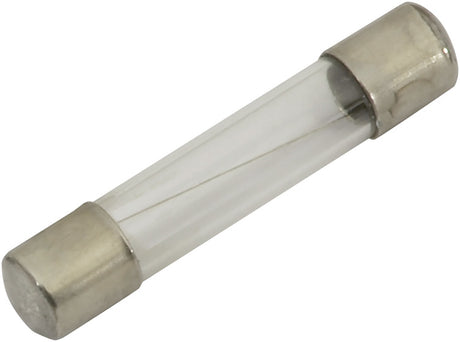 Save £0.01
Mercury: 787.331UK, Quick Blow Glass Fuses, 6 x 32mm, 1.6A, 250V, Pack of 10
IEC Compliant£ 0 21RRP: £0.22Fast delivery Fri, 23 Oct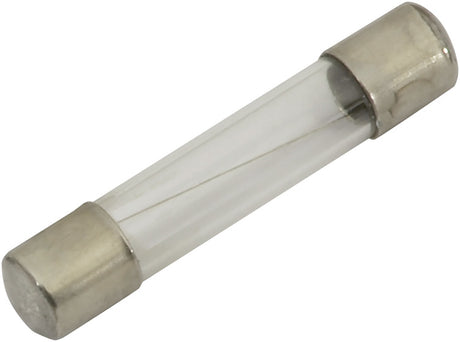 Save £0.01
Mercury: 787.329UK, Quick Blow Glass Fuses, 6 x 32mm, 1A, 250V, Pack of 10
IEC Compliant£ 0 21RRP: £0.22Fast delivery Fri, 23 Oct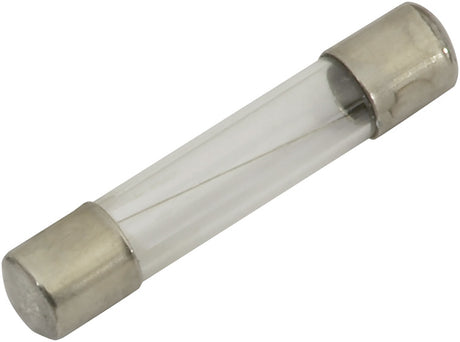 Save £0.01
Mercury: 787.327UK, Quick Blow Glass Fuses, 6 x 32mm, 630mA, 250V, Pack of 10
IEC Compliant£ 0 21RRP: £0.22Fast delivery Fri, 23 Oct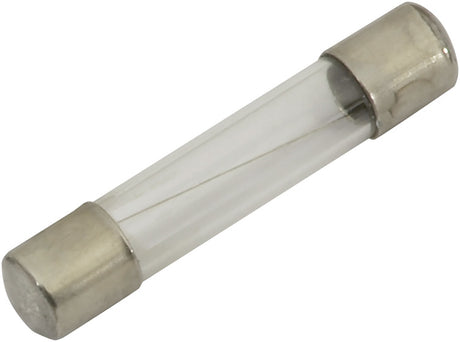 Save £0.01
Mercury: 787.324UK, Quick Blow Glass Fuses, 6 x 32mm, 315mA, 250V, Pack of 10
Quick Blow£ 0 21RRP: £0.22Fast delivery Fri, 23 Oct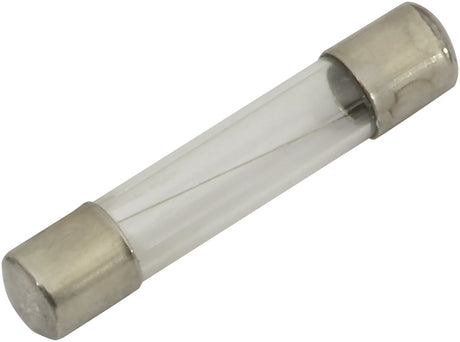 Save £0.01
Mercury: 787.321UK, Quick Blow Glass Fuses, 6 x 32mm, 250V, 160mA, Pack of 10
IEC Compliant£ 0 21RRP: £0.22Fast delivery Fri, 23 Oct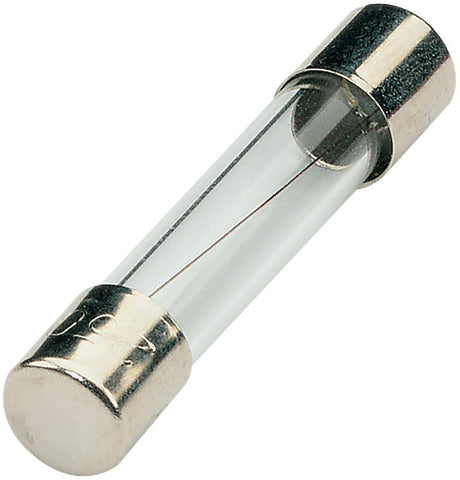 Save £0.01
Mercury: 787.320UK, Quick Blow Glass Fuses, 6 x 32mm, 100mA, 250V, Packs of 10
Quick Blow£ 0 21RRP: £0.22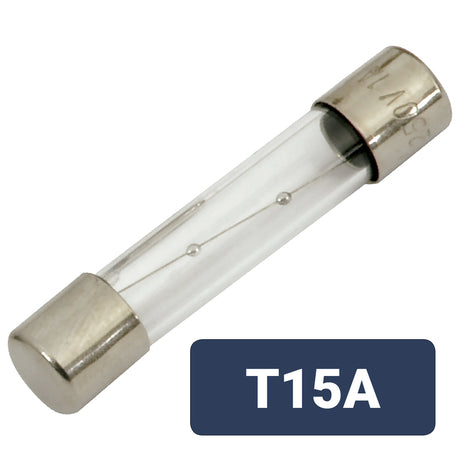 Save £0.01
 Save £0.01
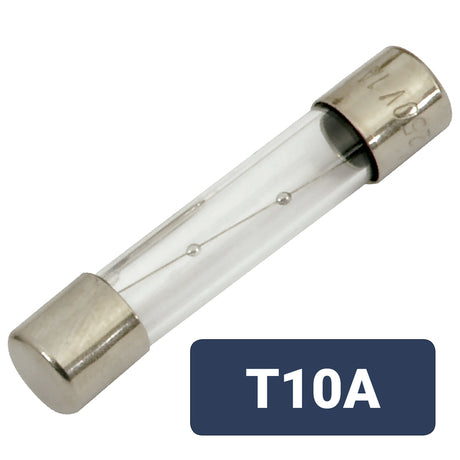
Mercury: 787.147UK, 6 x 32mm Slow Blow Fuse, 10A, 250V, IEC Compliant, Pack of 10
IEC Compliant£ 0 21RRP: £0.22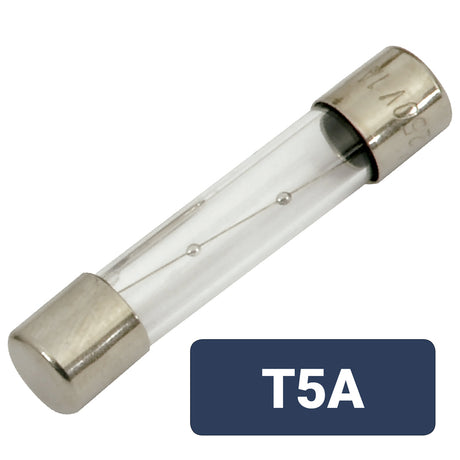 Save £0.01
Mercury: 787.144UK, Fuses 6 x 32mm, Slow Blow, 5A, 250V, Pack of 10
£ 0 21RRP: £0.22Fast delivery Fri, 23 Oct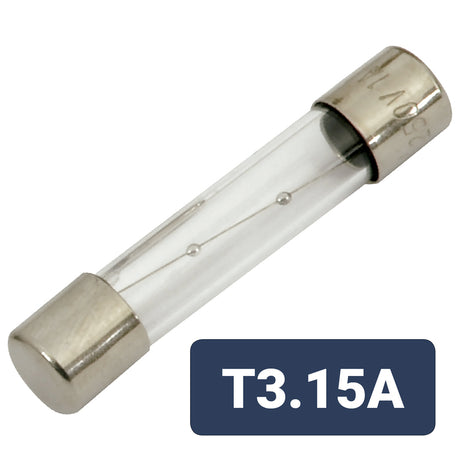 Save £0.01
Mercury: 787.142UK, 6 x 32mm Slow Blow Fuses, 3.15A, IEC Compliant, Pack of 10
IEC Compliant£ 0 21RRP: £0.22Fast delivery Fri, 23 Oct

Choosing Mercury Fuses
Replace a fuse with one that matches the old one on three points: body size, blow speed and current rating.
Body size
The fuse holder decides the size. The 787.017UK is a 5 x 20mm slow blow fuse rated 5A, and the 787.144UK is the same rating in the longer 6 x 32mm body. Measure the old fuse or read the marking on the equipment before you order, because one size will not fit the other holder.
Slow blow or quick blow
A slow blow fuse tolerates the short surge when equipment switches on. The 787.021UK suits circuits that need a time delay for heavy start-up currents, and the 787.143UK is made to handle inrush currents without blowing. A quick blow fuse such as the 787.255UK is designed to blow quickly in the event of an overload. Fit the type the equipment was built with.
Current rating
Use the rating printed on the old fuse or in the equipment manual, never a higher one. Ratings in 5 x 20mm slow blow include 315mA, 1.6A, 3.15A and 16A. Less common values are here too: the 787.271UK is a 12.5A quick blow fuse, the 787.334UK a 3A and the 787.337UK a 6A quick blow fuse in 6 x 32mm.
Standard and packs
The 787.263UK quick blow and 787.012UK slow blow glass fuses comply with IEC 127, sheets 1 and 11. The 799.050UK holds 160 quick blow 5 x 20mm fuses in eight ratings, 0.5 to 10A, in a plastic storage case, for DIY or professional use.
| Type | Example | Rating |
|---|---|---|
| 5 x 20mm slow blow | 787.007UK | 500mA |
| 6 x 32mm slow blow | 787.147UK | 10A |
| 5 x 20mm quick blow | 787.266UK | 4A |
| 6 x 32mm quick blow | 787.339UK | 10A |
| Quick blow assortment | 799.050UK | 160 fuses |
| In-line fuse holder | 787.408UK | 2.5A, 18cm wire |
Related categories
Browse the wider Mercury range, plug fuses from other makers in fuses, plugs, sockets and wiring accessories, Mercury extension leads and fused connection units.
Frequently asked questions
Should I fit a slow blow or a quick blow fuse?
Fit the same type as the fuse you are replacing. Slow blow fuses such as the 787.021UK allow a time delay for heavy start-up currents, so equipment that draws a surge at switch-on does not blow them. Quick blow fuses such as the 787.321UK are designed to blow quickly when the current exceeds the rated amperage, and fitting one where a slow blow fuse belongs can make it blow at switch-on.
How do I tell a 5 x 20mm fuse from a 6 x 32mm fuse?
Measure the length of the glass body: a 5 x 20mm fuse is 20mm long and a 6 x 32mm fuse is 32mm long. Both sizes are sold here in slow blow and quick blow versions, for example the 787.260UK quick blow in 5 x 20mm and the 787.329UK quick blow in 6 x 32mm. A holder accepts just its own size, so match the length before the rating.
What is in a fuse assortment kit?
A fuse assortment kit holds a mix of fuse ratings in one storage case, so a spare of the right rating is to hand. The Mercury 799.050UK holds 160 quick blow glass fuses in the 5 x 20mm size. Its current ratings are 0.5, 1, 2, 3, 4, 5, 8 and 10A, and the fuses are packed in a plastic storage case.
What fuse does an in-line fuse holder take?
It takes a cartridge fuse of the body size the holder is made for, so match the fuse to the holder's size and current rating. The Mercury 787.408UK takes a 5 x 20mm fuse and has a current rating of 2.5A, with a plastic housing, a bayonet fixing and 18cm of wire. Fuses are not included with the holders, which come in a pack of 10.
How do I know if fuses are IEC 60127 fuses?
Check the fuse's pack or data for a statement that it complies with IEC 60127, often with the sheet numbers it meets. Mercury glass fuses such as the 787.004UK in 5 x 20mm and the 787.138UK in 6 x 32mm comply with IEC 60127, sheets 1 and 11, and the 787.263UK quick blow also complies with IEC 60127, sheets 1 and 11. Check the marking on the old fuse if an equipment manual names a standard.
Can I fit a higher rated fuse if the old one keeps blowing?
No, fit the rating the equipment specifies, never a higher one. A fuse that blows repeatedly usually points to a fault, a wrong fuse type or an overloaded circuit, and a larger fuse may let wiring overheat before it breaks. If a quick blow fuse fails at switch-on, check whether the equipment was built for a slow blow fuse such as the 787.018UK.
Why buy from West Midlands Electrics
- Established 1975
- Birmingham trade counter
- UK-only supply
Updated
You may also like
-
Save £0.01
Mercury: 787.138UK, 6 x 32mm Slow Blow Fuses, 1.25A, 250V, IEC Compliant, Pack of 10
IEC Compliant£ 0 21RRP: £0.22Fast delivery Fri, 23 Oct -
Save £0.01
Mercury: 787.146UK, Slow Blow Glass Fuses, 6 x 32mm, 250V, 8A, Pack of 10
£ 0 21RRP: £0.22Fast delivery Fri, 23 Oct -
Save £0.01
Mercury: 787.145UK, Fuses 6 x 32mm Slow Blow, 6.3A, 250V, Pack of 10
IEC Compliant£ 0 21RRP: £0.22Fast delivery Fri, 23 Oct -
Save £0.01
Mercury: 787.016UK, 5 x 20mm Slow Blow Fuse, 4A, 250V, IEC Compliant, Pack of 10
IEC Compliant£ 0 21RRP: £0.22 -
Save £0.01
Mercury: 787.004UK, Fuses 5 x 20mm Slow Blow, 10 Pack, 250V, IEC Compliant
IEC Compliant£ 0 21RRP: £0.22Fast delivery Fri, 23 Oct -
Save £0.01
Mercury: 787.143UK, Slow Blow Glass Fuses, 6 x 32mm, 4A, 250V, IEC Compliant, Pack of 10
IEC Compliant£ 0 21RRP: £0.22Fast delivery Fri, 23 Oct -
Save £0.01
Mercury: 787.135UK, 6 x 32mm Slow Blow Glass Fuses, 630mA, 250V, Pack of 10
IEC Compliant£ 0 21RRP: £0.22Fast delivery Fri, 23 Oct -
Save £0.46
Mercury: 799.050UK, Quick Blow Glass Fuses Assortment, 160 pcs, 5 x 20mm, 0.5-10A
160 Piece Set£ 6 22RRP: £6.68Fast delivery Fri, 23 Oct -
Save £0.01
Mercury: 787.342UK, Quick Blow Glass Fuses, 6 x 32mm, 20A, 250V, Pack of 10
IEC Compliant£ 0 21RRP: £0.22Fast delivery Fri, 23 Oct -
Save £0.01
Mercury: 787.341UK, Quick Blow Glass Fuses, 6 x 32mm, 15A, 250V, Packs of 10
Quick Blow£ 0 21RRP: £0.22Fast delivery Fri, 23 Oct -
Save £0.01
Mercury: 787.340UK, Quick Blow Glass Fuses, 6 x 32mm, 12A, 250V, Pack of 10
IEC Compliant£ 0 21RRP: £0.22Fast delivery Fri, 23 Oct -
Save £0.01
Mercury: 787.339UK, Quick Blow Glass Fuses, 10A, 6 x 32mm, 250V, Pack of 10
£ 0 21RRP: £0.22Fast delivery Fri, 23 Oct -
Save £0.01
Mercury: 787.336UK, Quick Blow Glass Fuses, 6 x 32mm, 5A, 250V, Pack of 10
Quick Blow£ 0 21RRP: £0.22 -
Save £0.01
Mercury: 787.335UK, Quick Blow Glass Fuses, 6 x 32mm, 4A, 250V, Pack of 10
Certified Safe£ 0 21RRP: £0.22 -
Save £0.01
Mercury: 787.334UK, Quick Blow Glass Fuses, 6 x 32mm, 3A, IEC Compliant, Pack of 10
IEC Compliant£ 0 21RRP: £0.22Fast delivery Fri, 23 Oct -
Save £0.01
Mercury: 787.332UK, Quick Blow Glass Fuses, 6 x 32mm, 2A, IEC Compliant, Pack of 10
IEC Compliant£ 0 21RRP: £0.22Fast delivery Fri, 23 Oct -
Save £0.01
Mercury: 787.331UK, Quick Blow Glass Fuses, 6 x 32mm, 1.6A, 250V, Pack of 10
IEC Compliant£ 0 21RRP: £0.22Fast delivery Fri, 23 Oct -
Save £0.01
Mercury: 787.329UK, Quick Blow Glass Fuses, 6 x 32mm, 1A, 250V, Pack of 10
IEC Compliant£ 0 21RRP: £0.22Fast delivery Fri, 23 Oct -
Save £0.01
Mercury: 787.327UK, Quick Blow Glass Fuses, 6 x 32mm, 630mA, 250V, Pack of 10
IEC Compliant£ 0 21RRP: £0.22Fast delivery Fri, 23 Oct -
Save £0.01
Mercury: 787.324UK, Quick Blow Glass Fuses, 6 x 32mm, 315mA, 250V, Pack of 10
Quick Blow£ 0 21RRP: £0.22Fast delivery Fri, 23 Oct -
Save £0.01
Mercury: 787.321UK, Quick Blow Glass Fuses, 6 x 32mm, 250V, 160mA, Pack of 10
IEC Compliant£ 0 21RRP: £0.22Fast delivery Fri, 23 Oct -
Save £0.01
Mercury: 787.320UK, Quick Blow Glass Fuses, 6 x 32mm, 100mA, 250V, Packs of 10
Quick Blow£ 0 21RRP: £0.22 -
Save £0.01
-
Save £0.01
Mercury: 787.147UK, 6 x 32mm Slow Blow Fuse, 10A, 250V, IEC Compliant, Pack of 10
IEC Compliant£ 0 21RRP: £0.22 -
Save £0.01
Mercury: 787.144UK, Fuses 6 x 32mm, Slow Blow, 5A, 250V, Pack of 10
£ 0 21RRP: £0.22Fast delivery Fri, 23 Oct -
Save £0.01
Mercury: 787.142UK, 6 x 32mm Slow Blow Fuses, 3.15A, IEC Compliant, Pack of 10
IEC Compliant£ 0 21RRP: £0.22Fast delivery Fri, 23 Oct