
Heat Alarms
A heat alarm reacts to a rise in temperature rather than to smoke, so it can sit in a kitchen or garage where cooking fumes, steam or exhaust would set off a smoke alarm. The range has Aico, Espire and Mercury domestic heat alarms, Ajax, Hikvision and Pyronix wireless heat detectors that report to their own hub or control panel, and C-TEC and Nittan detectors for fire alarm panels.
 Save £1.94
Addressable Rate-of-Rise Heat Detector EV-H-A1R, A1R 54°C, Evolution FSK
£ 26 14RRP: £28.08Fast delivery Tomorrow, 11 Nov Save £6.36
Aico Ei144e Heat Alarm - Mains Powered with Battery Backup - SKU: Ei144e
£ 32 99RRP: £39.355 Years Warranty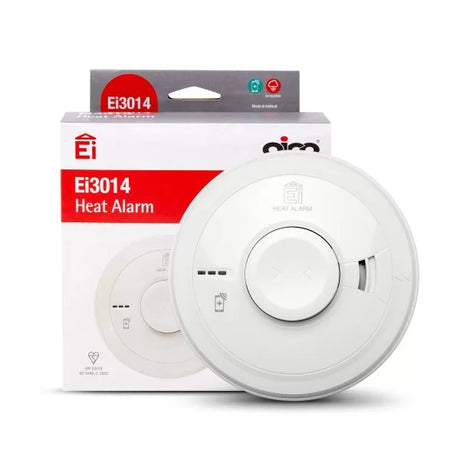 Save £9.09
Aico Ei3014 Heat Alarm - High-Performance Thermistor Sensor - Ei3014, Ei3000MRF Compatible
£ 48 99RRP: £58.085 Years Warranty Save £12.29
Aico Ei630iRF RadioLINK+ Battery Heat Alarm - 10-Year Lithium, AudioLINK+ - SKU: Ei630iRF
£ 64 99RRP: £77.285 Years Warranty Save £7.67
 Save £16.22
Aico Ei660iRF RadioLINK+ Multi-Sensor Fire Alarm - Optical & Heat - SKU: Ei660iRF
£ 85 99RRP: £102.215 Years Warranty Save £20.13
 Save £12.88
 Save £15.98
 Save £20.13
 Save £16.64
EN54 HeatFast delivery Tomorrow, 11 Nov
 Save £18.30
Ajax EN54 FireProtect Heat+Sounder Jeweller, Wireless EN54 Heat Detector
EN54Fast delivery Tomorrow, 11 Nov Save £18.30
Ajax EN54 FireProtect Heat/Sounder Jeweller, Addressable Wireless Heat Detector, Black
EN54Fast delivery Tomorrow, 11 Nov Save £17.43
 Save £26.98
 Save £26.98
 Save £0.94
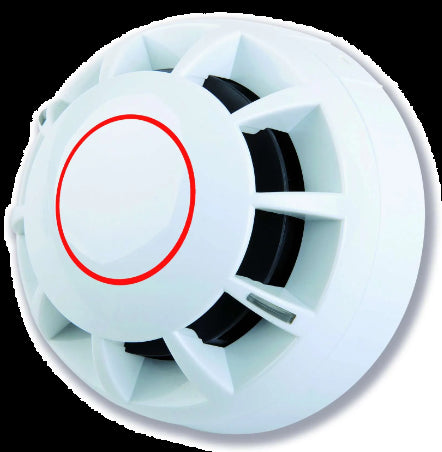
C-TEC ActiV C4403B Fixed-Temperature Heat Detector, 75°C Class B, 2-Wire, EN54-5 C4403B
High Temp 75°C£ 12 58RRP: £13.52Fast delivery Tomorrow, 11 Nov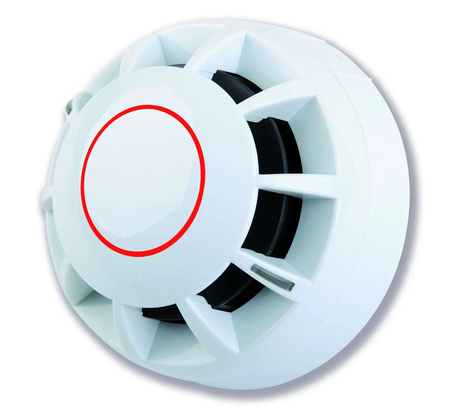 Save £1.05
C-TEC C4403A1R ActiV A1R Rate-of-Rise Heat Detector, 9-33 V, EN54-5
Reliable Safety£ 14 11RRP: £15.16Fast delivery Tomorrow, 11 Nov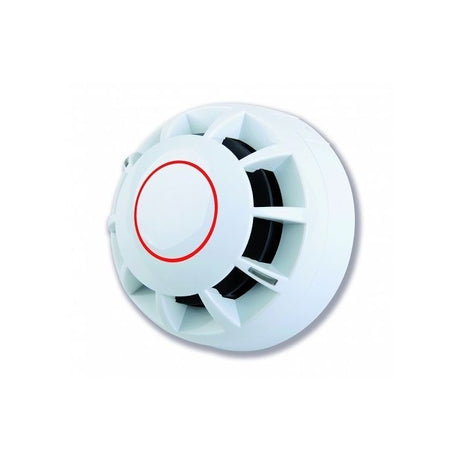 Save £2.39
CA402 CAST Programmable Heat Detector, Addressable, EN54
LPCB Certified£ 32 10RRP: £34.49Fast delivery Tomorrow, 11 Nov


Espire ES1HLV Heat Alarm (Mains Powered - Sealed Battery)
£ 45 865 Years WarrantyFast delivery Tomorrow, 11 Nov
Espire ES1HRV Heat Alarm (Mains Powered - Replaceable Battery)
£ 31 085 Years WarrantyFast delivery Tomorrow, 11 Nov Save £16.91
Hikvision Wireless Ceiling Heat Detector, 57°C, AX Pro (DS-PDHT-E-WE)
10 Year BatteryFast delivery Tomorrow, 11 Nov Save £4.94
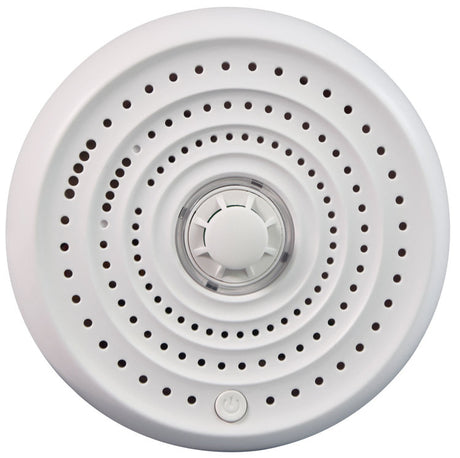 Save £1.12
Mercury: 350.130UK, Heat Alarm with Electronic Thermistor, 10 Year Battery
10 Year Life£ 15 10RRP: £16.22Fast delivery Tomorrow, 11 Nov


Choosing Heat Alarms
Heat alarms detect a fire by temperature, at a fixed point or by a rapid rise, and include Ajax wireless heat detectors, Aico heat alarms, C-TEC heat detectors and Espire heat alarms. Pick a heat alarm by the system it belongs to: a home alarm with its own sounder, a wireless detector on a security hub, or a detector wired to a fire alarm panel.
Fixed temperature or rate of rise
A fixed-temperature detector operates at a set point: the Hikvision DS-PDHT-E-WE and Pyronix HEAT-WE at 57°C and the C-TEC C4403B at 75°C (Class B). A rate-of-rise detector also responds to a rapid climb in temperature, such as the Nittan EV-H-A1R (A1R, 54°C) and the C-TEC C4403A1R. The C-TEC CA402 can be programmed as A1R, A2 or Class B. Aico domestic alarms such as the Ei144e, Ei3014 and Ei630iRF use a thermistor that activates at 58°C.
Power and interconnection
Mains alarms keep a backup battery for power cuts: the Aico Ei144e runs on 230V with a 9V backup and interconnects by hardwire or RadioLINK, and the Espire ES1HRV and ES1HLV are mains powered with a replaceable or sealed battery. Battery alarms need no wiring; the Aico Ei630iRF and Mercury 350.130UK have a 10-year battery, and the Ei630iRF links to other Aico alarms by RadioLINK+.
| Model | Sensing | Power | Reports to |
|---|---|---|---|
| Aico Ei144e | Thermistor, 58°C | Mains, 9V battery backup | Its own sounder; hardwired or RadioLINK |
| Aico Ei630iRF | Thermistor, 58°C | Sealed 10-year lithium | Its own sounder; RadioLINK+ |
| Hikvision DS-PDHT-E-WE | Fixed, 57°C | 10-year battery | AX Pro wireless system |
| Pyronix HEAT-WE | Fixed, 57°C | CR123A | Pyronix control panel and app |
| C-TEC C4403B | Fixed, 75°C, Class B | Fire panel | Fire alarm panel (2-wire) |
| Nittan EV-H-A1R | Rate of rise, A1R 54°C | Fire panel | Nittan Evolution FSK panel |
Standards & compliance
Domestic heat alarms meeting BS 5446-2 include the Aico Ei144e and Ei630iRF, the Espire ES1HL, ES1HLV and ES1HRV and the Mercury 350.130UK. Panel and wireless detectors meeting EN 54-5 include the C-TEC C4403B and CA402 and the Ajax EN54 FireProtect Heat 119918.273.BL1.
Brands we stock in Heat Alarms
Aico, Ajax, C-TEC, Dahua Technology, ESP, Hikvision, Mercury, Nittan and Pyronix.
Aico and Espire alarms are made for homes, while the C-TEC and Nittan detectors connect to a fire alarm panel.
Related categories
Fit heat alarms alongside smoke alarms and detectors or interlinked smoke alarms, never in place of them. For fuel-burning appliances add carbon monoxide detectors, and for panel systems see fire alarm systems.
Frequently asked questions
Do heat alarms need to be mains powered?
No, heat alarms can be mains powered or battery powered, but the rules for your property may decide. New homes and major refurbishments in England usually need mains alarms with a backup battery, interlinked with the smoke alarms. In existing Scottish homes, interlinked alarms can also use sealed long-life batteries. The range here includes mains and battery heat alarms.
What is a heat and carbon monoxide detector?
A heat and carbon monoxide detector is a combined device with a heat sensor and a CO sensor in one housing. It can warn of a fire and of dangerous gas from a faulty fuel-burning appliance. It suits kitchens and boiler rooms, where a smoke detector could false alarm but a gas boiler or cooker is present. The range here includes wireless and mains heat and CO detectors.
Where should a heat alarm go in a kitchen?
A heat alarm should go on the kitchen ceiling, near the middle of the room and a short distance from walls and light fittings. It should not sit directly above the cooker, kettle or toaster, where normal cooking heat and steam could set it off. Check the maker's instructions for exact spacing. The range here includes heat alarms made for kitchens that link to smoke alarms.
Is a heat alarm the same as a smoke alarm?
No, a heat alarm reacts to a high or quickly rising temperature, while a smoke alarm reacts to smoke particles in the air. Heat alarms respond more slowly, so they suit kitchens and garages where fumes or steam would set off a smoke alarm falsely. A heat alarm should add to smoke alarm cover in a home, never replace it.
What is a heat alarm?
A heat alarm is a fire alarm that sounds when the temperature around it reaches a set point or rises quickly, rather than when it senses smoke. Domestic heat alarms should meet BS 5446-2 and typically sit in kitchens, garages and lofts. Some models report to a wireless security hub or a fire alarm panel instead. The range here includes domestic heat alarms and panel heat detectors.
Why buy from West Midlands Electrics
- Established 1975
- Birmingham trade counter
- UK-only supply
Updated
You may also like
-
Save £1.94
Addressable Rate-of-Rise Heat Detector EV-H-A1R, A1R 54°C, Evolution FSK
£ 26 14RRP: £28.08Fast delivery Tomorrow, 11 Nov -
Save £6.36
Aico Ei144e Heat Alarm - Mains Powered with Battery Backup - SKU: Ei144e
£ 32 99RRP: £39.355 Years Warranty -
Save £9.09
Aico Ei3014 Heat Alarm - High-Performance Thermistor Sensor - Ei3014, Ei3000MRF Compatible
£ 48 99RRP: £58.085 Years Warranty -
Save £12.29
Aico Ei630iRF RadioLINK+ Battery Heat Alarm - 10-Year Lithium, AudioLINK+ - SKU: Ei630iRF
£ 64 99RRP: £77.285 Years Warranty -
Save £7.67
-
Save £16.22
Aico Ei660iRF RadioLINK+ Multi-Sensor Fire Alarm - Optical & Heat - SKU: Ei660iRF
£ 85 99RRP: £102.215 Years Warranty -
Save £20.13
-
Save £12.88
-
Save £15.98
-
Save £20.13
-
Save £16.64
EN54 HeatFast delivery Tomorrow, 11 Nov
-
Save £18.30
Ajax EN54 FireProtect Heat+Sounder Jeweller, Wireless EN54 Heat Detector
EN54Fast delivery Tomorrow, 11 Nov -
Save £18.30
Ajax EN54 FireProtect Heat/Sounder Jeweller, Addressable Wireless Heat Detector, Black
EN54Fast delivery Tomorrow, 11 Nov -
Save £17.43
-
Save £26.98
-
Save £26.98
-
Save £0.94
C-TEC ActiV C4403B Fixed-Temperature Heat Detector, 75°C Class B, 2-Wire, EN54-5 C4403B
High Temp 75°C£ 12 58RRP: £13.52Fast delivery Tomorrow, 11 Nov -
Save £1.05
C-TEC C4403A1R ActiV A1R Rate-of-Rise Heat Detector, 9-33 V, EN54-5
Reliable Safety£ 14 11RRP: £15.16Fast delivery Tomorrow, 11 Nov -
Save £2.39
CA402 CAST Programmable Heat Detector, Addressable, EN54
LPCB Certified£ 32 10RRP: £34.49Fast delivery Tomorrow, 11 Nov -
-
-
Espire ES1HLV Heat Alarm (Mains Powered - Sealed Battery)
£ 45 865 Years WarrantyFast delivery Tomorrow, 11 Nov -
Espire ES1HRV Heat Alarm (Mains Powered - Replaceable Battery)
£ 31 085 Years WarrantyFast delivery Tomorrow, 11 Nov -
Save £16.91
Hikvision Wireless Ceiling Heat Detector, 57°C, AX Pro (DS-PDHT-E-WE)
10 Year BatteryFast delivery Tomorrow, 11 Nov -
Save £4.94
-
Save £1.12
Mercury: 350.130UK, Heat Alarm with Electronic Thermistor, 10 Year Battery
10 Year Life£ 15 10RRP: £16.22Fast delivery Tomorrow, 11 Nov