
Aico Fire & CO Detection Products
Aico makes smoke, heat and carbon monoxide alarms for homes, and this page gathers them with the parts that turn single alarms into a system. Alongside mains 3000 Series and 140e Series alarms and sealed-battery models, you will find SmartLINK and RadioLINK modules, the Ei1000G gateway for remote monitoring, Ei1020 and Ei1025 environmental sensors, manual call points, control switches, relay modules and a strobe kit for people with hearing loss.
 Save £6.36
Aico Ei144e Heat Alarm - Mains Powered with Battery Backup - SKU: Ei144e
£ 32 99RRP: £39.355 Years Warranty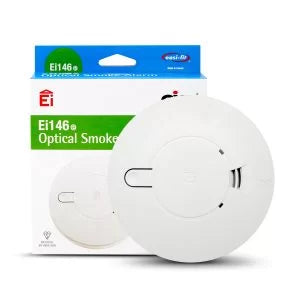 Save £4.54
Aico Ei146e Optical Smoke Alarm - Mains Powered with Battery Backup - SKU: Ei146e
£ 23 14RRP: £27.685 Years Warranty Save £12.03
Aico Ei650iRF RadioLINK+ Optical Smoke Alarm - 10-Year Battery, AudioLINK+ - SKU: Ei650iRF
£ 63 99RRP: £76.025 Years Warranty Save £3.91
Aico Ei650i Battery Optical Smoke Alarm - 10-Year Lithium, AudioLINK+ - SKU: Ei650i
£ 20 15RRP: £24.065 Years Warranty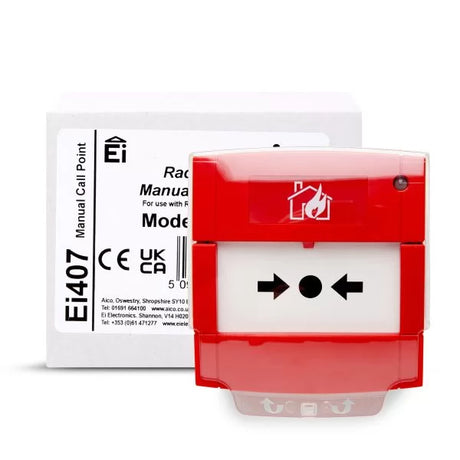 Save £7.60
Aico Ei407 RadioLINK Manual Call Point - Wireless Alarm Trigger with 10-Year Battery - SKU: Ei407
£ 37 99RRP: £45.595 Years Warranty Save £3.93
Aico Ei208 Battery Carbon Monoxide Alarm - 10-Year Lithium, AudioLINK+ - SKU: Ei208
£ 19 99RRP: £23.925 Years Warranty Save £12.29
Aico Ei630iRF RadioLINK+ Battery Heat Alarm - 10-Year Lithium, AudioLINK+ - SKU: Ei630iRF
£ 64 99RRP: £77.285 Years Warranty Save £7.67
 Save £43.55
Aico Ei1000G SmartLINK Gateway - Remote Monitoring for RF Alarms - SKU: Ei1000G
£ 224 99RRP: £268.545 Years Warranty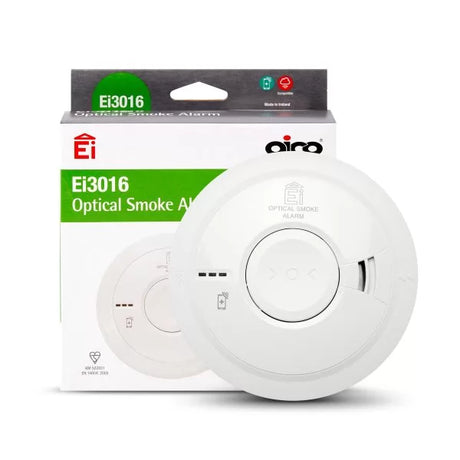 Save £8.79
Aico Ei3016 Optical Smoke Alarm - High-Performance Sensor - Ei3016, Ei3000MRF Compatible
£ 46 99RRP: £55.785 Years Warranty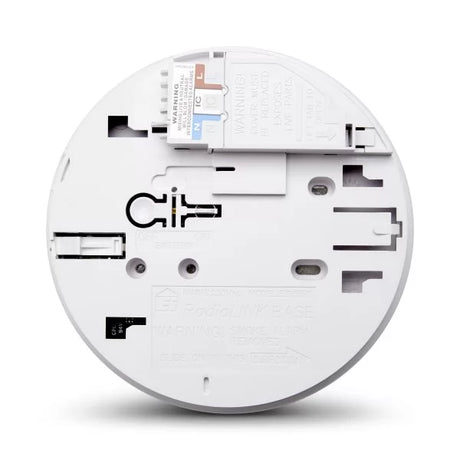 Save £9.80
Aico Ei168RC RadioLINK Base - Wireless Interconnect Mount for 140e Series Alarms - SKU: Ei168RC
£ 50 20RRP: £60.005 Years WarrantyFast delivery Tomorrow, 21 Oct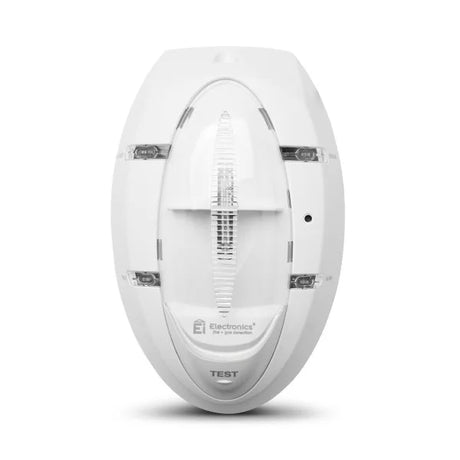 Save £28.78
Aico Ei171RF RadioLINK Strobe Light - Visual Alarm for Deaf & Hard of Hearing - SKU: Ei171RF
£ 158 99RRP: £187.775 Years Warranty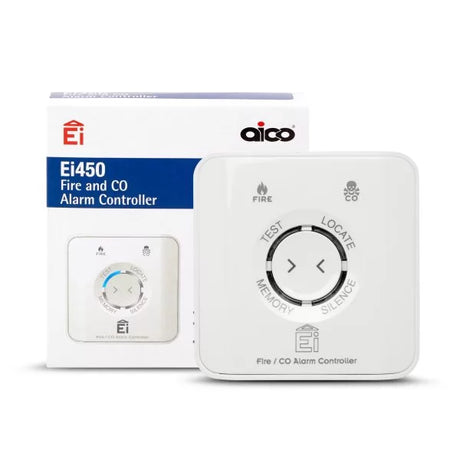 Save £10.26
Aico Ei450 RadioLINK Alarm Controller - Wireless Control Switch for Fire & CO Alarms - SKU: Ei450
£ 54 99RRP: £65.255 Years Warranty Save £16.22
Aico Ei660iRF RadioLINK+ Multi-Sensor Fire Alarm - Optical & Heat - SKU: Ei660iRF
£ 85 99RRP: £102.215 Years Warranty Save £8.93
Aico Ei3000MRF SmartLINK Module - Wireless Interconnection for 3000 Series - SKU: Ei3000MRF
£ 50 99RRP: £59.925 Years Warranty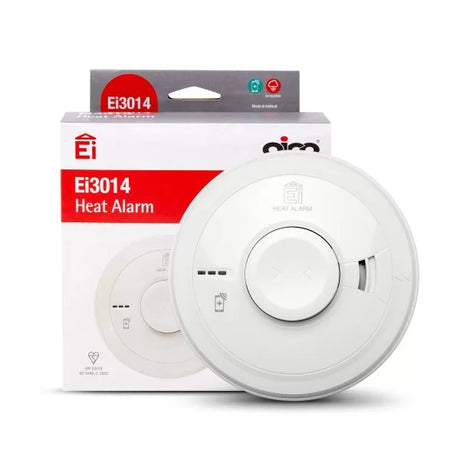 Save £9.09
Aico Ei3014 Heat Alarm - High-Performance Thermistor Sensor - Ei3014, Ei3000MRF Compatible
£ 48 99RRP: £58.085 Years Warranty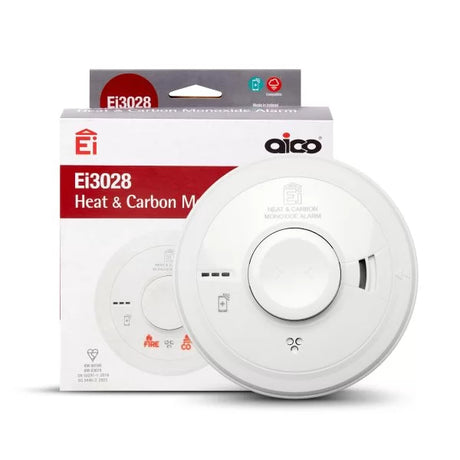 Save £24.00
 Save £4.81
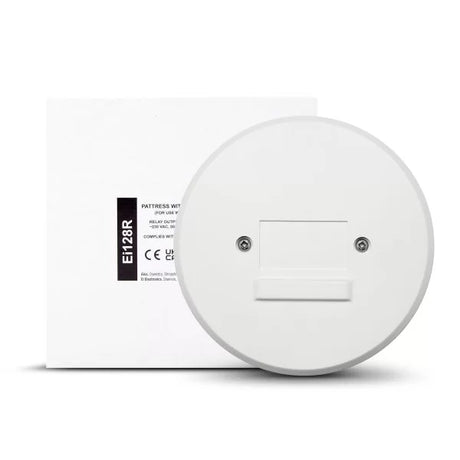
Aico Ei128R Hard Wired Relay Module - External Device Trigger for Alarm Systems - SKU: Ei128R
£ 29 99RRP: £34.805 Years WarrantyFast delivery Tomorrow, 21 Oct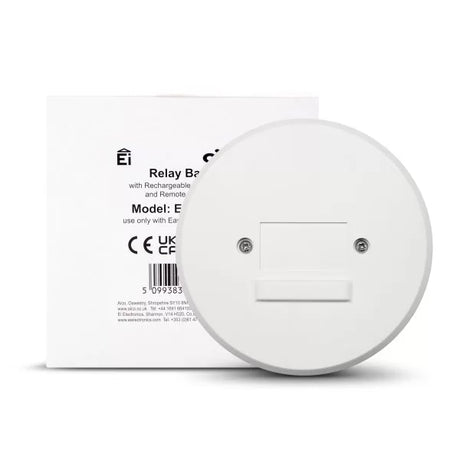 Save £9.40
£ 46 99RRP: £56.395 Years WarrantyFast delivery Tomorrow, 21 Oct
 Save £11.81
Aico Ei428 RadioLINK Relay Module - Wireless Alarm Interface with Volt-Free Contacts - SKU: Ei428
£ 64 99RRP: £76.805 Years Warranty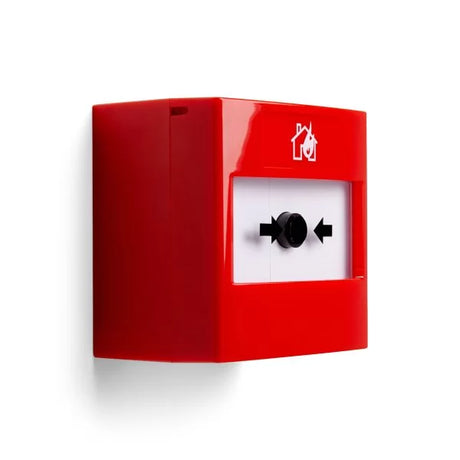 Save £4.81
£ 29 99RRP: £34.805 Years Warranty
 Save £3.70
Aico Ei174 Vibrating Pillow Pad - Auxiliary Alert for Hearing Impaired - SKU: Ei174
£ 22 30RRP: £26.005 Years Warranty Save £33.08
£ 180 99RRP: £214.075 Years Warranty
 Save £5.77
£ 31 50RRP: £37.275 Years Warranty
 Save £12.24
Aico Ei208WRF RadioLINK+ Carbon Monoxide Alarm - Battery Powered, AudioLINK+ - SKU: Ei208WRF
£ 64 99RRP: £77.235 Years Warranty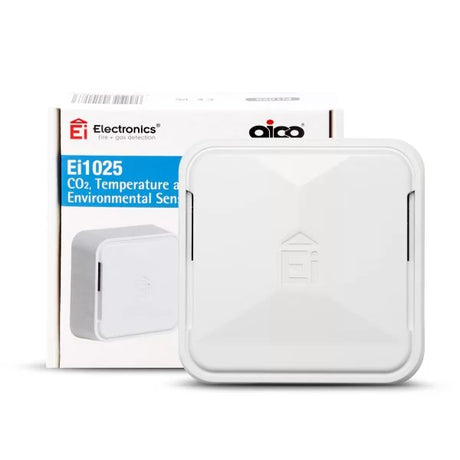 Save £30.05
£ 155 99RRP: £186.045 Years Warranty


Choosing Aico Fire & CO Detection Products
Choose the alarm heads, then the way they interconnect, then any monitoring and add-ons.
Mains 3000 Series heads
In the 3000 Series, single-sensor heads such as the Ei3016 (optical smoke), Ei3014 (heat) and Ei3018 (carbon monoxide) sit beside multi-sensors such as the Ei3024 (optical and heat), Ei3028 (heat and CO) and Ei3030. The Ei3030 combines optical, heat and electrochemical CO sensors, runs on 230V AC with a rechargeable 10-year lithium cell back-up and is certified to BS EN14604:2005, BS5446-2:2003 and BS EN50291-1:2018.
Wired or radio interconnection
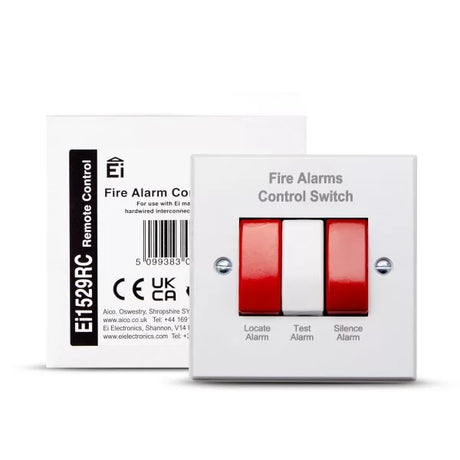
The Ei3000MRF SmartLINK module plugs into a 3000 Series head, is powered from the alarm and needs no batteries, linking heads such as the Ei3018 by radio. 140e Series alarms such as the Ei146e go wireless on the Ei168RC RadioLINK base, and battery alarms such as the Ei660iRF have RadioLINK+ built in. The Ei1529RC control switch and the MCP401RC manual call point connect with 3-core cable instead.
Monitoring for landlords
The Ei1000G gateway links SmartLINK and RadioLINK+ alarms with a cloud portal over GSM, using the roaming SIM card supplied, so a housing association can see fire activations, CO levels and mains power loss remotely, though not on original RadioLINK systems. The Ei1020 sensor reads temperature and humidity and the Ei1025 adds CO₂, helping to spot condensation, damp and mould; they report through the Ei1000G.
Call points, switches and alerts
The Ei1529RC and the wireless Ei450 let you test, locate and silence alarms from one switch. The Ei428 relay module switches volt-free contacts rated 240V AC / 5A for telecare systems, strobes or extraction fans. The Ei170RF kit pairs a Xenon strobe with a vibrating pillow pad for people who are deaf or hard of hearing.
| Model | Role | Power | Connection |
|---|---|---|---|
| Ei3030 | Optical, heat and CO alarm | 230V AC, lithium back-up | SmartLINK via Ei3000MRF |
| Ei3018 | Carbon monoxide alarm | 230V AC, lithium back-up | SmartLINK via Ei3000MRF |
| Ei650iRF | Optical smoke alarm | Sealed lithium battery | RadioLINK+ |
| Ei1000G | Monitoring gateway | 230V AC, battery backup | GSM to cloud portal |
| Ei1025 | Temperature, humidity and CO₂ | Sealed 10-year lithium | Via Ei1000G |
| Ei407 | Manual call point | Sealed 10-year lithium | RadioLINK |
| MCP401RC | Manual call point | 230V AC, lithium cells | Hard-wired |
Related categories
Compare radio-linked systems from more than one maker in wireless fire alarm systems, see single alarms in smoke alarms and detectors and heat alarms, or browse fire alarm accessories and components and the wider fire alarm systems range.
Frequently asked questions
Should I choose a mains or a battery Aico alarm?
Choose mains where a supply can be run and battery where it cannot. Mains alarms such as the Ei3016 and Ei3018 run on 230V AC with an integrated rechargeable 10-year lithium back-up and are Grade D1. Battery alarms such as the Ei650i run on a sealed 10-year lithium battery with no wiring and are Grade F1.
Can Aico alarms be monitored remotely?
Yes, through the Ei1000G SmartLINK gateway. It links SmartLINK and RadioLINK+ alarms with an online portal over GSM. The Ei1000G has a system size of 12 RF devices. 3000 Series heads such as the Ei3024 join it through the Ei3000MRF module, and the gateway is not compatible with original RadioLINK systems.
Which Aico manual call point should I fit?
Fit the MCP401RC where the alarms are hard-wired and the Ei407 where they are linked by radio. The MCP401RC is mains powered and joins the system with 3-core cable, while the Ei407 is wire-free on RadioLINK with a sealed-in 10-year lithium battery. Their front plates are resettable with a key, so no glass has to be broken.
Can the Ei3030 multi-sensor go in a kitchen?
No, the Ei3030 is not recommended for kitchens because its heat sensor is sensitive to cooking fumes. The Ei3030 suits bedrooms, dining rooms, garages, hallways, landings, living rooms and lofts that need fire and CO detection together. For a kitchen, the Ei3014 heat alarm triggers at 58°C and is designed to avoid smoke and steam triggers.
Why buy from West Midlands Electrics
- Established 1975
- Birmingham trade counter
- UK-only supply
Updated
You may also like
-
Save £6.36
Aico Ei144e Heat Alarm - Mains Powered with Battery Backup - SKU: Ei144e
£ 32 99RRP: £39.355 Years Warranty -
Save £4.54
Aico Ei146e Optical Smoke Alarm - Mains Powered with Battery Backup - SKU: Ei146e
£ 23 14RRP: £27.685 Years Warranty -
Save £12.03
Aico Ei650iRF RadioLINK+ Optical Smoke Alarm - 10-Year Battery, AudioLINK+ - SKU: Ei650iRF
£ 63 99RRP: £76.025 Years Warranty -
Save £3.91
Aico Ei650i Battery Optical Smoke Alarm - 10-Year Lithium, AudioLINK+ - SKU: Ei650i
£ 20 15RRP: £24.065 Years Warranty -
Save £7.60
Aico Ei407 RadioLINK Manual Call Point - Wireless Alarm Trigger with 10-Year Battery - SKU: Ei407
£ 37 99RRP: £45.595 Years Warranty -
Save £3.93
Aico Ei208 Battery Carbon Monoxide Alarm - 10-Year Lithium, AudioLINK+ - SKU: Ei208
£ 19 99RRP: £23.925 Years Warranty -
Save £12.29
Aico Ei630iRF RadioLINK+ Battery Heat Alarm - 10-Year Lithium, AudioLINK+ - SKU: Ei630iRF
£ 64 99RRP: £77.285 Years Warranty -
Save £7.67
-
Save £43.55
Aico Ei1000G SmartLINK Gateway - Remote Monitoring for RF Alarms - SKU: Ei1000G
£ 224 99RRP: £268.545 Years Warranty -
Save £8.79
Aico Ei3016 Optical Smoke Alarm - High-Performance Sensor - Ei3016, Ei3000MRF Compatible
£ 46 99RRP: £55.785 Years Warranty -
Save £9.80
Aico Ei168RC RadioLINK Base - Wireless Interconnect Mount for 140e Series Alarms - SKU: Ei168RC
£ 50 20RRP: £60.005 Years WarrantyFast delivery Tomorrow, 21 Oct -
Save £28.78
Aico Ei171RF RadioLINK Strobe Light - Visual Alarm for Deaf & Hard of Hearing - SKU: Ei171RF
£ 158 99RRP: £187.775 Years Warranty -
Save £10.26
Aico Ei450 RadioLINK Alarm Controller - Wireless Control Switch for Fire & CO Alarms - SKU: Ei450
£ 54 99RRP: £65.255 Years Warranty -
Save £16.22
Aico Ei660iRF RadioLINK+ Multi-Sensor Fire Alarm - Optical & Heat - SKU: Ei660iRF
£ 85 99RRP: £102.215 Years Warranty -
Save £8.93
Aico Ei3000MRF SmartLINK Module - Wireless Interconnection for 3000 Series - SKU: Ei3000MRF
£ 50 99RRP: £59.925 Years Warranty -
Save £9.09
Aico Ei3014 Heat Alarm - High-Performance Thermistor Sensor - Ei3014, Ei3000MRF Compatible
£ 48 99RRP: £58.085 Years Warranty -
Save £24.00
-
Save £4.81
Aico Ei128R Hard Wired Relay Module - External Device Trigger for Alarm Systems - SKU: Ei128R
£ 29 99RRP: £34.805 Years WarrantyFast delivery Tomorrow, 21 Oct -
Save £9.40
£ 46 99RRP: £56.395 Years WarrantyFast delivery Tomorrow, 21 Oct
-
Save £11.81
Aico Ei428 RadioLINK Relay Module - Wireless Alarm Interface with Volt-Free Contacts - SKU: Ei428
£ 64 99RRP: £76.805 Years Warranty -
Save £4.81
£ 29 99RRP: £34.805 Years Warranty
-
Save £3.70
Aico Ei174 Vibrating Pillow Pad - Auxiliary Alert for Hearing Impaired - SKU: Ei174
£ 22 30RRP: £26.005 Years Warranty -
Save £33.08
£ 180 99RRP: £214.075 Years Warranty
-
Save £5.77
£ 31 50RRP: £37.275 Years Warranty
-
Save £12.24
Aico Ei208WRF RadioLINK+ Carbon Monoxide Alarm - Battery Powered, AudioLINK+ - SKU: Ei208WRF
£ 64 99RRP: £77.235 Years Warranty -
Save £30.05
£ 155 99RRP: £186.045 Years Warranty