
Multimeters & Test Equipment
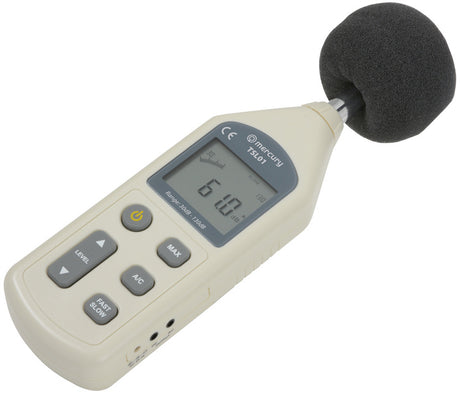
Electrical test equipment measures what a circuit is doing so a fault can be found or an installation proved before handover. This range includes Mercury digital and clamp multimeters with test leads, Knightsbridge and Mercury voltage testers, the Knightsbridge TE3 BS 1363 socket tester, network cable testers, a sound level meter, and GJD walk testers for setting up PIR detectors.


 Save £0.63
Action Can: 701.443UK, EC-90 Fast Drying Contact Cleaner, 500ml, Non-Residue, Safe for Metals
Fast Drying£ 8 57RRP: £9.20Fast delivery Wed, 04 Nov Save £11.04
GJD D-TECT Walk Tester GJD380 - 9V Walk-Test Tool for PIR Alignment
Audible Confirmation£ 55 20RRP: £66.24Fast delivery Wed, 04 Nov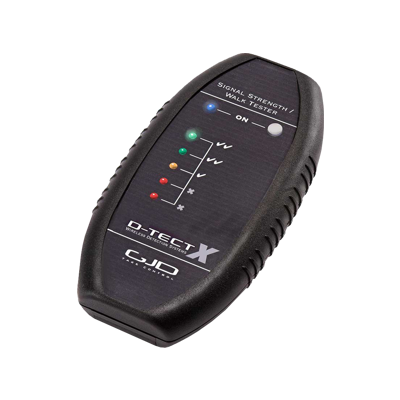 Save £20.13
GJD D-TECT X Signal Strength & Walk Tester GJD394
Optimal Setup£ 100 67RRP: £120.80Fast delivery Wed, 04 Nov Save £1.93
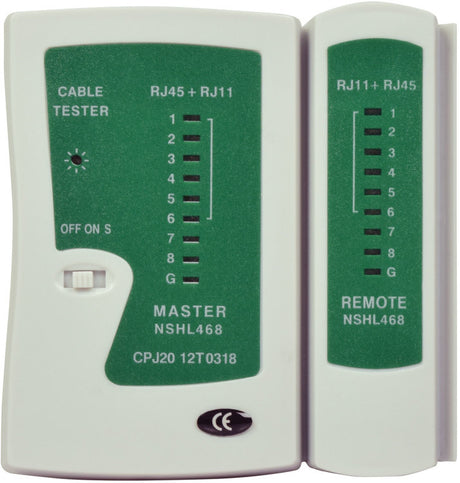
Haydon RJ45/RJ11 Ethernet Cable Tester, LED Wire-Mapping & Remote (HAY-RJ45TEST)
Remote Test£ 9 66RRP: £11.59Fast delivery Wed, 04 Nov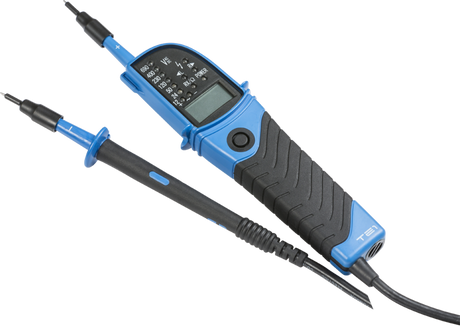 Save £5.76
IP64 Rated£ 32 57RRP: £38.331 Years WarrantyFast delivery Wed, 04 Nov
 Save £1.45
Mains Powered£ 7 59RRP: £9.041 Years WarrantyFast delivery Wed, 04 Nov
 Save £2.16
Light & Sound£ 10 89RRP: £13.051 Years WarrantyFast delivery Wed, 04 Nov
 Save £0.54
Mercury: 505.990UK, RJ45/RJ11 Ethernet Network Cable Tester, LED Indicators, Requires 9V Battery
Network Testing£ 7 25RRP: £7.79Fast delivery Wed, 04 Nov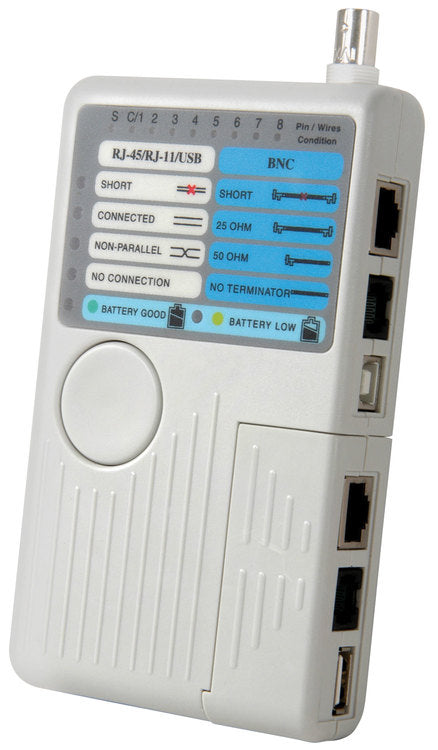 Save £1.43
Mercury: 505.993UK, 4-in-1 Remote Network Cable Test Meter, RJ45, RJ11, USB, BNC
Easy to Use£ 19 24RRP: £20.67Fast delivery Wed, 04 Nov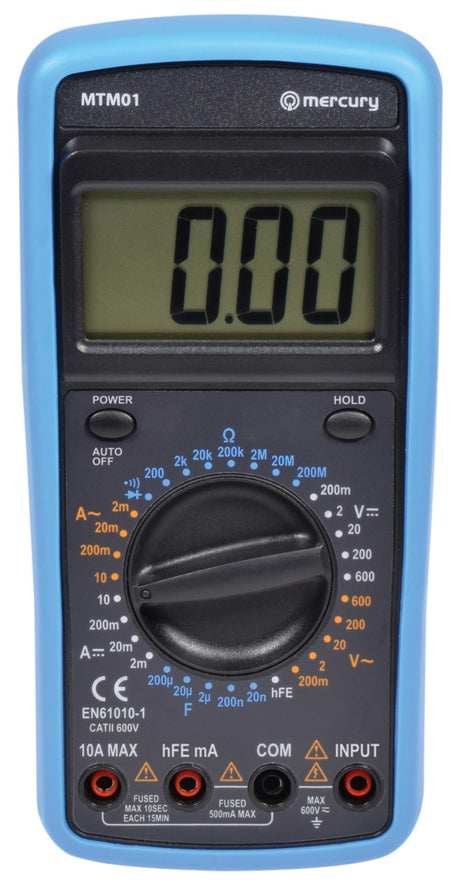
 Save £0.92
Portable£ 12 34RRP: £13.26Fast delivery Wed, 04 Nov
 Save £0.50
Quick Test£ 6 69RRP: £7.19Fast delivery Wed, 04 Nov
 Save £0.40
Versatile Testing£ 5 45RRP: £5.85Fast delivery Wed, 04 Nov
 Save £0.74
Clamp-on Safety£ 10 01RRP: £10.75Fast delivery Wed, 04 Nov
 Save £3.44
EN61326 Compliant£ 46 22RRP: £49.66Fast delivery Wed, 04 Nov
 Save £1.02
23 Testing Ranges£ 13 72RRP: £14.74
 Save £0.82
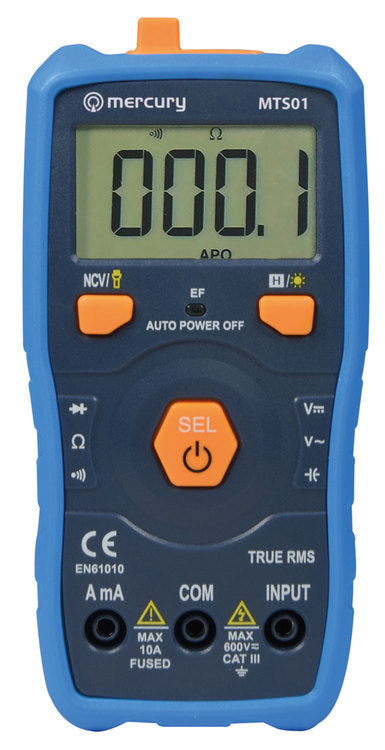
Mercury: 600.110UK, Smart Digital Multimeter, 8 Functions, True RMS, LCD Display, Shockproof Holster
8 Smart Functions£ 10 96RRP: £11.78Fast delivery Wed, 04 Nov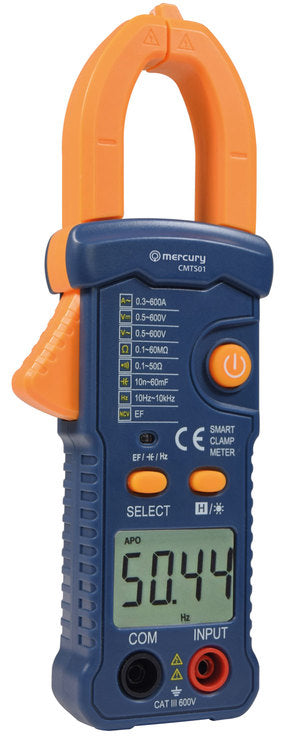 Save £0.84
True RMS£ 11 39RRP: £12.23Fast delivery Wed, 04 Nov
 Save £0.06
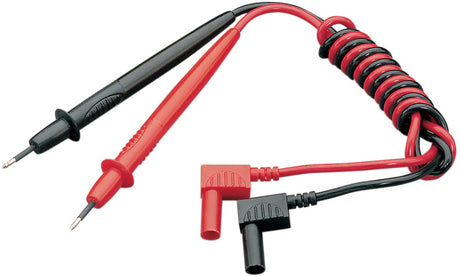
Mercury: 600.708UK, Multimeter Test Leads, Red & Black, 1000V, 20A
High Voltage£ 0 82RRP: £0.88Fast delivery Wed, 04 Nov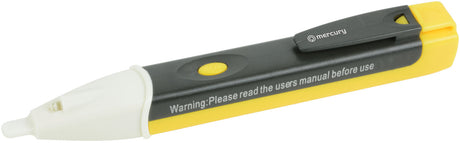
 Save £0.27
Mercury: 710.030UK, Non-Contact Voltage Test Pen with LED Torch Light, 90-1000VAC
Easy Use£ 3 58RRP: £3.85Fast delivery Wed, 04 Nov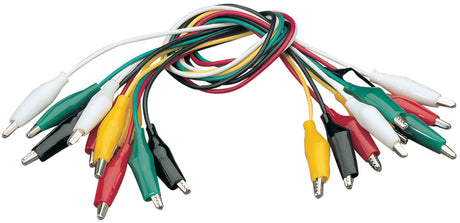 Save £0.13
Mercury: 780.011UK, Test Lead Set, 10 pcs, 500mm, Crocodile Clips, Multicolour
£ 1 73RRP: £1.86Fast delivery Wed, 04 Nov


Choosing Multimeters & Test Equipment
Pick the instrument by what you need to prove: voltage present, a measured value, or a working cable run.
Multimeter or clamp meter
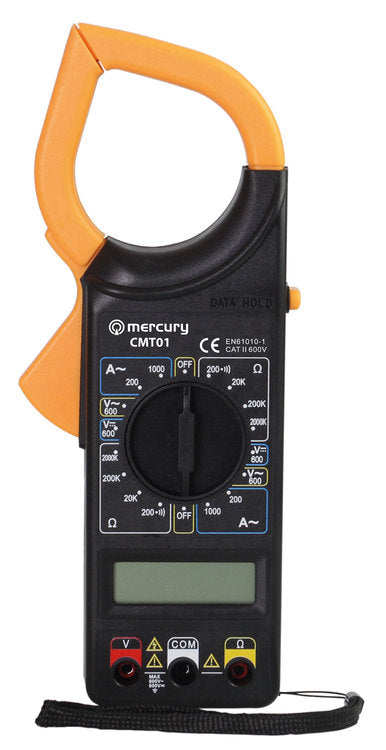
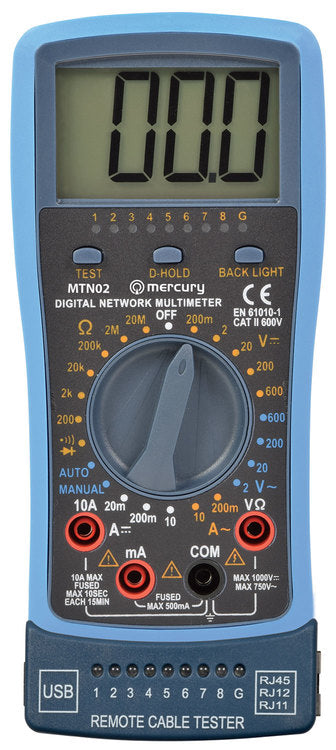
A digital multimeter measures voltage, current and resistance through test leads. A clamp meter reads current by closing its jaws around a conductor, without breaking the circuit; the Mercury 600.103 reads 200-1000A AC and the 600.113 up to 600A AC with true RMS.
Voltage testers
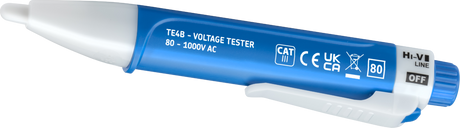
The Knightsbridge TE1 is a 2-pole voltage tester for 12-690V AC/DC with an LCD. The TE4B and the Mercury 710.030 test pen detect voltage without contact from 80-1000V and 90-1000VAC, and the TE3 checks a BS 1363 socket for common wiring faults.
Data and alarm
RJ45 and RJ11 cable testers from Haydon and Mercury check wire mapping, and the Mercury 505.993 adds USB and BNC. GJD D-TECT walk testers help align PIR coverage.
| Task | Instrument | Example |
|---|---|---|
| Measure volts, amps, ohms | Digital multimeter | Mercury 600.100, 600.110 |
| Measure current without disconnecting | Clamp meter | Mercury 600.103, 600.113 |
| Check a conductor is live | Voltage tester | Knightsbridge TE1, TE4B |
| Check a socket's wiring | Socket tester | Knightsbridge TE3 |
| Check a data cable | Cable tester | Haydon HAY-RJ45TEST, Mercury 505.990 |
Standards & compliance
The Mercury 600.103 clamp meter conforms to EN 61010-1, the safety standard for electrical measuring equipment, and the TE4B is rated CAT III. Match the category rating to the circuit you are testing.
Brands we stock in Multimeters & Test Equipment
ACT Meters, Action Can, GJD, Haydon, Knightsbridge and Mercury.
Mercury supplies the most testers and meters.
Related categories
For detector alignment see smart alarms and sensors, and for the sockets and switches a socket tester checks, wiring accessories. See also Crimping & Punch-Down Tools.
Frequently asked questions
What electrical testing tools does an electrician need?
An electrician typically needs a two-pole voltage tester and a proving unit for safe isolation, plus a multimeter or clamp meter for fault finding. Installation testing also calls for a multifunction tester for insulation, continuity and loop readings. A socket tester and a non-contact voltage detector help with quick checks. The range here includes multimeters, clamp meters and voltage testers.
How does an electric tester pen work?
A non-contact electric tester pen senses the electric field around a live AC conductor and lights up or beeps when held near a live cable or socket. It needs no metal contact, so it suits quick checks. It cannot prove a circuit is dead, so confirm isolation with a two-pole tester. The range here includes non-contact voltage testers.
What does an electric socket tester check?
A plug-in socket tester checks a mains socket for common wiring faults, such as reversed live and neutral, a missing earth or an open neutral. Lights or a display show the result. It is a quick check after fitting, not a substitute for full installation testing, and should suit BS 1363 sockets. The range here includes a mains-powered plug-in socket tester.
How do you use an electrical tester?
To use an electrical tester, first check it on a known live source or proving unit, then test the circuit, then check the tester again to confirm it still works. With a two-pole tester, test across the conductor pairs in turn: live to neutral, live to earth and neutral to earth. The range here includes two-pole and non-contact voltage testers.
What is an electrical tester?
An electrical tester is an instrument that checks for voltage, continuity or faults in electrical circuits, cables and equipment. Common types include voltage testers, multimeters, clamp meters, socket testers and network cable testers, and they suit different jobs. Choose one with a CAT rating that suits the circuits you work on. The range here includes multimeters, voltage testers and cable testers.
Why buy from West Midlands Electrics
- Established 1975
- Birmingham trade counter
- UK-only supply
Updated
You may also like
-
-
Save £0.63
Action Can: 701.443UK, EC-90 Fast Drying Contact Cleaner, 500ml, Non-Residue, Safe for Metals
Fast Drying£ 8 57RRP: £9.20Fast delivery Wed, 04 Nov -
Save £11.04
GJD D-TECT Walk Tester GJD380 - 9V Walk-Test Tool for PIR Alignment
Audible Confirmation£ 55 20RRP: £66.24Fast delivery Wed, 04 Nov -
Save £20.13
GJD D-TECT X Signal Strength & Walk Tester GJD394
Optimal Setup£ 100 67RRP: £120.80Fast delivery Wed, 04 Nov -
Save £1.93
Haydon RJ45/RJ11 Ethernet Cable Tester, LED Wire-Mapping & Remote (HAY-RJ45TEST)
Remote Test£ 9 66RRP: £11.59Fast delivery Wed, 04 Nov -
Save £5.76
IP64 Rated£ 32 57RRP: £38.331 Years WarrantyFast delivery Wed, 04 Nov
-
Save £1.45
Mains Powered£ 7 59RRP: £9.041 Years WarrantyFast delivery Wed, 04 Nov
-
Save £2.16
Light & Sound£ 10 89RRP: £13.051 Years WarrantyFast delivery Wed, 04 Nov
-
Save £0.54
Mercury: 505.990UK, RJ45/RJ11 Ethernet Network Cable Tester, LED Indicators, Requires 9V Battery
Network Testing£ 7 25RRP: £7.79Fast delivery Wed, 04 Nov -
Save £1.43
Mercury: 505.993UK, 4-in-1 Remote Network Cable Test Meter, RJ45, RJ11, USB, BNC
Easy to Use£ 19 24RRP: £20.67Fast delivery Wed, 04 Nov -
Save £0.92
Portable£ 12 34RRP: £13.26Fast delivery Wed, 04 Nov
-
Save £0.50
Quick Test£ 6 69RRP: £7.19Fast delivery Wed, 04 Nov
-
Save £0.40
Versatile Testing£ 5 45RRP: £5.85Fast delivery Wed, 04 Nov
-
Save £0.74
Clamp-on Safety£ 10 01RRP: £10.75Fast delivery Wed, 04 Nov
-
Save £3.44
EN61326 Compliant£ 46 22RRP: £49.66Fast delivery Wed, 04 Nov
-
Save £1.02
23 Testing Ranges£ 13 72RRP: £14.74
-
Save £0.82
Mercury: 600.110UK, Smart Digital Multimeter, 8 Functions, True RMS, LCD Display, Shockproof Holster
8 Smart Functions£ 10 96RRP: £11.78Fast delivery Wed, 04 Nov -
Save £0.84
True RMS£ 11 39RRP: £12.23Fast delivery Wed, 04 Nov
-
Save £0.06
Mercury: 600.708UK, Multimeter Test Leads, Red & Black, 1000V, 20A
High Voltage£ 0 82RRP: £0.88Fast delivery Wed, 04 Nov -
Save £0.27
Mercury: 710.030UK, Non-Contact Voltage Test Pen with LED Torch Light, 90-1000VAC
Easy Use£ 3 58RRP: £3.85Fast delivery Wed, 04 Nov -
Save £0.13
Mercury: 780.011UK, Test Lead Set, 10 pcs, 500mm, Crocodile Clips, Multicolour
£ 1 73RRP: £1.86Fast delivery Wed, 04 Nov