
Wireless Access Points
A wireless access point adds Wi-Fi to a wired network: it takes an Ethernet cable from a switch, usually with power over the same cable (PoE), and broadcasts the network to phones, laptops and tablets. This range includes Ruijie Reyee ceiling, wall-plate and outdoor access points from Wi-Fi 5 to Wi-Fi 7, TP-Link Omada and Ubiquiti UniFi models, and long-range 5 GHz base stations and CPE radios from Comelit PAC, LigoWave and Dahua.
 Save £0.54
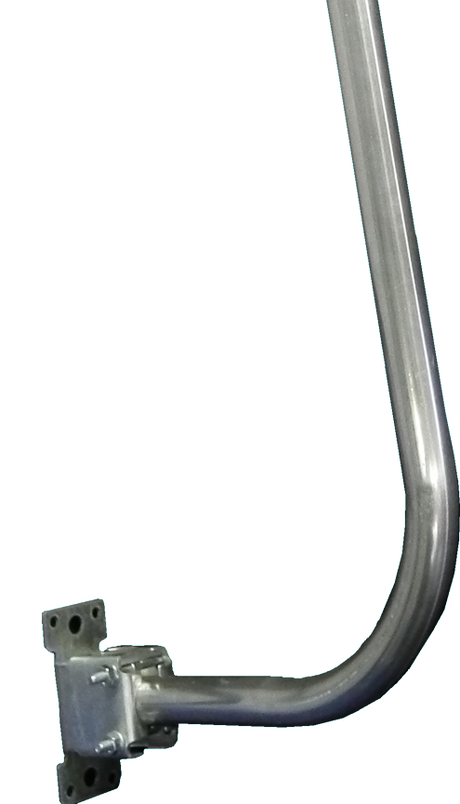
1ft Metal Pole Mount for Wireless Equipment, Silver Dynamic WIRELESSBKT
Durable Design£ 7 26RRP: £7.80Fast delivery Wed, 04 Nov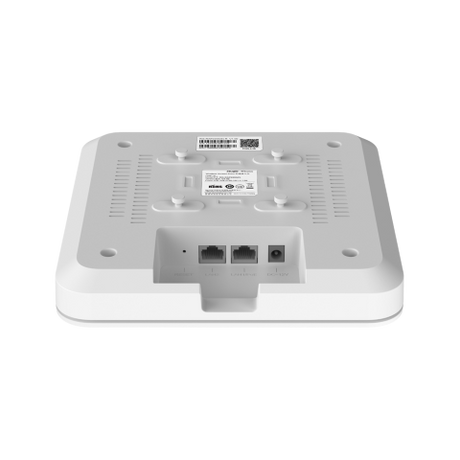 Save £16.60
AC1300 Ceiling/Wall Access Point, 2×2 MU-MIMO, 2×GigE PoE, RG-RAP2200(E)
Easy Setup£ 83 01RRP: £99.61Fast delivery Wed, 04 Nov


 £ 561 08


D-Link DWR-933 wireless access point
£ 100 48


 £ 245 49

 Save £27.32
LiteAP AC Sector AP, 5 GHz 16 dBi 120°, Gigabit PoE, LAP-120
16 dBi£ 136 61RRP: £163.93Fast delivery Wed, 04 Nov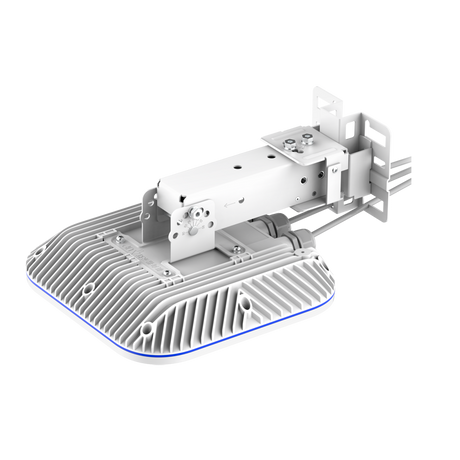 Save £73.92
Reyee RG-RAP6260(H)-D Outdoor Wi-Fi 6 AX6000 Directional Access Point, IP68, 2.5G PoE
6000 Mbps£ 369 62RRP: £443.54Fast delivery Wed, 04 Nov Save £2.33
 Save £12.39
RG-RAP1201 AC1300 Wall-Mounted Wi-Fi 5 Access Point, 2×2 MU-MIMO, 2×GbE, PoE
AC1300£ 61 95RRP: £74.34Fast delivery Wed, 04 Nov Save £16.89
RG-RAP52-OD AC1300 Outdoor Wi-Fi 5 Dual-Band Access Point, IP65
IP65 Rated£ 84 44RRP: £101.33Fast delivery Wed, 04 Nov Save £16.74
RG-RAP62 AX1800 Ceiling Access Point, Wi-Fi 6, PoE
Wi‑Fi 6£ 83 72RRP: £100.46Fast delivery Wed, 04 Nov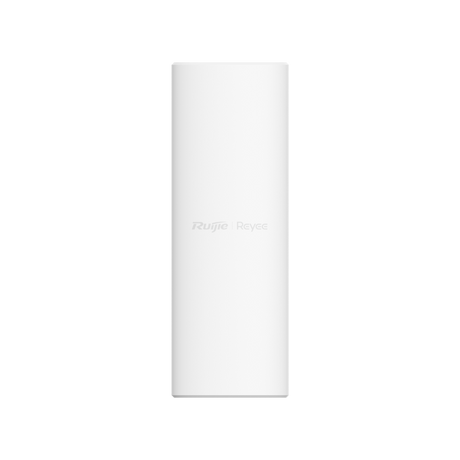 Save £37.89
RG-RAP62-OD AX3000 Outdoor/Indoor Wi-Fi 6 Access Point, IP65, PoE
Weatherproof£ 189 43RRP: £227.32Fast delivery Wed, 04 Nov Save £38.17
RG-RAP72-Wall Wi-Fi 7 Wall Access Point, Dual-Band 2×2, 2.5Gb Uplink, 4×GbE + PoE-out
Wi‑Fi 7£ 190 87RRP: £229.04Fast delivery Wed, 04 Nov


Choosing Wireless Access Points
Choose an access point by where it will be mounted, the Wi-Fi generation your devices use, and how it will be powered and cabled back to the network.
Ceiling, wall-plate or outdoor
Ceiling access points spread coverage evenly across a room or corridor: the Ruijie RG-RAP2260 is an AX3000 Wi-Fi 6 ceiling model with a 2.5Gb uplink, and the TP-Link EAP773 is a tri-band Wi-Fi 7 ceiling unit. Wall-plate models fit over a back box in hotel rooms and offices, and several double as a small switch: the RG-RAP1200(P) has four LAN ports including one 802.3af PoE out port, and the RG-AP180P-L fits standard 86 mm back boxes. Outdoors, pick an IP-rated unit such as the IP65 RG-RAP62-OD or the IP68 RG-RAP6262.
Wi-Fi generation and speed
Wi-Fi 6 (802.11ax) copes with busy rooms better than Wi-Fi 5 through OFDMA and MU-MIMO, and Wi-Fi 7 (802.11be) adds Multi-Link Operation. The AX or BE figure is the combined speed of the radios, not what one device gets: the RG-RAP2260(H) is rated 5.95Gbps and supports over 500 client connections. Wi-Fi 6E, on the RG-AP880-L, adds a 6 GHz band that is subject to regional approval.
Power and uplink
Most access points here take PoE from the switch, so one cable carries data and power. Match the switch to the PoE class: 802.3af for the RG-RAP1201, 802.3at (PoE+) for the RG-RAP6260(G), and 802.3bt (PoE++) for the TP-Link EAP783, which has two 10G ports. On Wi-Fi 6 and Wi-Fi 7 models, a multi-gig uplink keeps the cable from limiting throughput.
| Type | Example | Wi-Fi | Key detail |
|---|---|---|---|
| Ceiling | Ruijie RG-RAP2260(E) | Wi-Fi 6, AX3200 | 4x4 MU-MIMO, 2.5GbE uplink |
| Ceiling | TP-Link EAP783 | Wi-Fi 7, BE19000 | Two 10G ports, PoE++ |
| Wall-plate | Ruijie RG-RAP1260 | Wi-Fi 6, AX3000 | 5 Gigabit ports |
| In-wall | Ubiquiti UAP-IW-HD | Wi-Fi 5, 802.11ac Wave 2 | 4-port Gigabit switch |
| Outdoor | Ruijie RG-AP680P-L | Wi-Fi 6 | IP68, 10G SFP+ |
| Long-range CPE | Comelit PAC CPE-515A | 802.11a/n/ac | 7 km, 15 dBi antenna |
Brands we stock in Wireless Access Points
Comelit PAC, Comnet, D-Link, Dahua Technology, Dynamic, LigoWave, Ruijie, TP-Link, TRENDnet and Ubiquiti.
Ruijie makes most of the products on this page, across its Reyee and enterprise ranges.
Related categories
Power access points from PoE switches, add a gateway from Wi-Fi routers, link buildings with wireless bridges, and run the cabling with Ethernet cables. See also Network Routers.
Frequently asked questions
What is a wireless access point?
A wireless access point is a device that plugs into a wired network and broadcasts Wi-Fi, so phones, laptops and other devices can join that network. Business access points are often powered over the network cable using PoE and fixed to a ceiling or wall. Several access points can share one network name to cover a larger building.
Can a wireless access point connect to another access point wirelessly?
Yes, many access points can link to one another over Wi-Fi in a mesh or repeater mode, so a second unit extends coverage without a network cable run to it. The wireless link shares airtime with users, so speeds are usually lower than a cabled connection. For links between buildings, a dedicated point-to-point bridge is often the stronger option.
Why buy from West Midlands Electrics
- Established 1975
- Birmingham trade counter
- UK-only supply
Updated
You may also like
-
Save £0.54
1ft Metal Pole Mount for Wireless Equipment, Silver Dynamic WIRELESSBKT
Durable Design£ 7 26RRP: £7.80Fast delivery Wed, 04 Nov -
Save £16.60
AC1300 Ceiling/Wall Access Point, 2×2 MU-MIMO, 2×GigE PoE, RG-RAP2200(E)
Easy Setup£ 83 01RRP: £99.61Fast delivery Wed, 04 Nov -
-
-
-
-
£ 561 08
-
-
-
-
D-Link DWR-933 wireless access point
£ 100 48 -
-
-
-
-
-
£ 245 49
-
-
Save £27.32
LiteAP AC Sector AP, 5 GHz 16 dBi 120°, Gigabit PoE, LAP-120
16 dBi£ 136 61RRP: £163.93Fast delivery Wed, 04 Nov -
Save £73.92
Reyee RG-RAP6260(H)-D Outdoor Wi-Fi 6 AX6000 Directional Access Point, IP68, 2.5G PoE
6000 Mbps£ 369 62RRP: £443.54Fast delivery Wed, 04 Nov -
Save £2.33
-
Save £12.39
RG-RAP1201 AC1300 Wall-Mounted Wi-Fi 5 Access Point, 2×2 MU-MIMO, 2×GbE, PoE
AC1300£ 61 95RRP: £74.34Fast delivery Wed, 04 Nov -
Save £16.89
RG-RAP52-OD AC1300 Outdoor Wi-Fi 5 Dual-Band Access Point, IP65
IP65 Rated£ 84 44RRP: £101.33Fast delivery Wed, 04 Nov -
Save £16.74
RG-RAP62 AX1800 Ceiling Access Point, Wi-Fi 6, PoE
Wi‑Fi 6£ 83 72RRP: £100.46Fast delivery Wed, 04 Nov -
Save £37.89
RG-RAP62-OD AX3000 Outdoor/Indoor Wi-Fi 6 Access Point, IP65, PoE
Weatherproof£ 189 43RRP: £227.32Fast delivery Wed, 04 Nov -
Save £38.17
RG-RAP72-Wall Wi-Fi 7 Wall Access Point, Dual-Band 2×2, 2.5Gb Uplink, 4×GbE + PoE-out
Wi‑Fi 7£ 190 87RRP: £229.04Fast delivery Wed, 04 Nov