
Wireless Fire Alarm Systems
A wireless fire alarm system links its alarms by radio instead of cable, so one device can raise the alarm on the others without new interconnect wiring. This page brings together Aico domestic smoke, heat, multi-sensor and carbon monoxide alarms with RadioLINK, RadioLINK+ and SmartLINK options, and Ajax Jeweller detectors, including EN54 models for commercial systems. Relay modules, a controller, range extenders and alerts for people with hearing loss complete the systems.
 Save £4.81
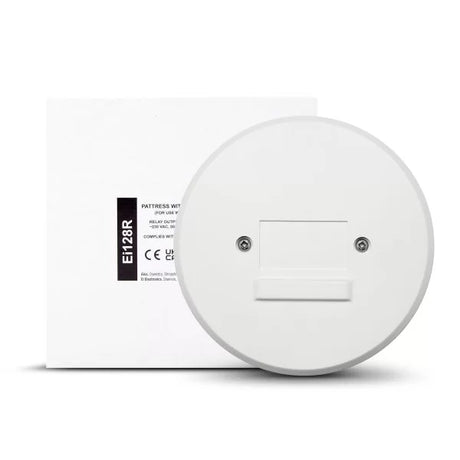
Aico Ei128R Hard Wired Relay Module - External Device Trigger for Alarm Systems - SKU: Ei128R
£ 29 99RRP: £34.805 Years WarrantyFast delivery Tomorrow, 20 Nov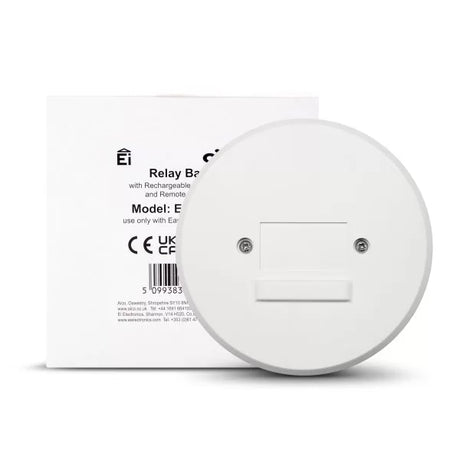 Save £9.40
£ 46 99RRP: £56.395 Years WarrantyFast delivery Tomorrow, 20 Nov
 Save £6.36
Aico Ei144e Heat Alarm - Mains Powered with Battery Backup - SKU: Ei144e
£ 32 99RRP: £39.355 Years Warranty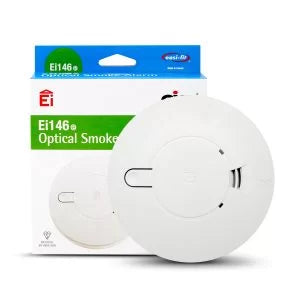 Save £4.54
Aico Ei146e Optical Smoke Alarm - Mains Powered with Battery Backup - SKU: Ei146e
£ 23 14RRP: £27.685 Years Warranty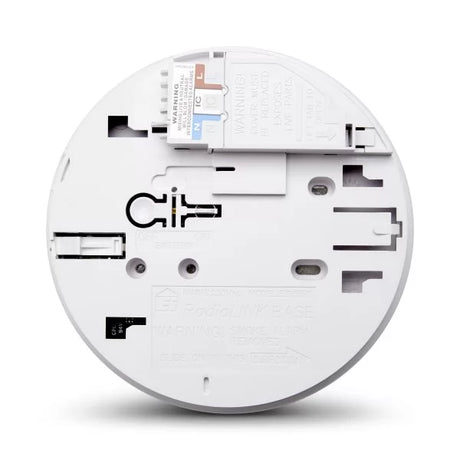 Save £9.80
Aico Ei168RC RadioLINK Base - Wireless Interconnect Mount for 140e Series Alarms - SKU: Ei168RC
£ 50 20RRP: £60.005 Years WarrantyFast delivery Tomorrow, 20 Nov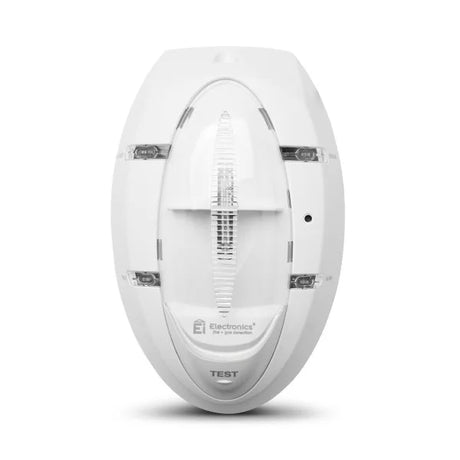 Save £28.78
Aico Ei171RF RadioLINK Strobe Light - Visual Alarm for Deaf & Hard of Hearing - SKU: Ei171RF
£ 158 99RRP: £187.775 Years Warranty Save £3.70
Aico Ei174 Vibrating Pillow Pad - Auxiliary Alert for Hearing Impaired - SKU: Ei174
£ 22 30RRP: £26.005 Years Warranty Save £3.93
Aico Ei208 Battery Carbon Monoxide Alarm - 10-Year Lithium, AudioLINK+ - SKU: Ei208
£ 19 99RRP: £23.925 Years Warranty Save £12.24
Aico Ei208WRF RadioLINK+ Carbon Monoxide Alarm - Battery Powered, AudioLINK+ - SKU: Ei208WRF
£ 64 99RRP: £77.235 Years Warranty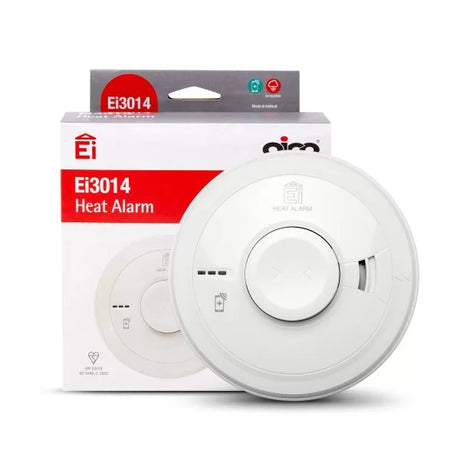 Save £9.09
Aico Ei3014 Heat Alarm - High-Performance Thermistor Sensor - Ei3014, Ei3000MRF Compatible
£ 48 99RRP: £58.085 Years Warranty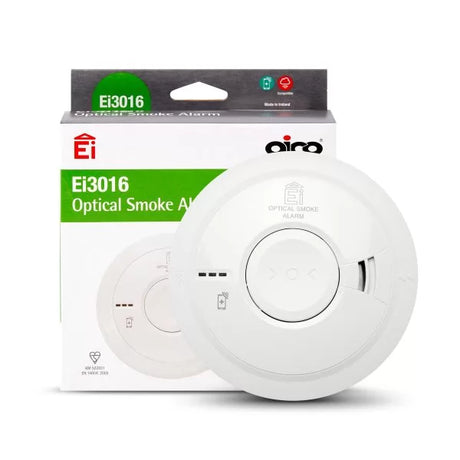 Save £8.79
Aico Ei3016 Optical Smoke Alarm - High-Performance Sensor - Ei3016, Ei3000MRF Compatible
£ 46 99RRP: £55.785 Years Warranty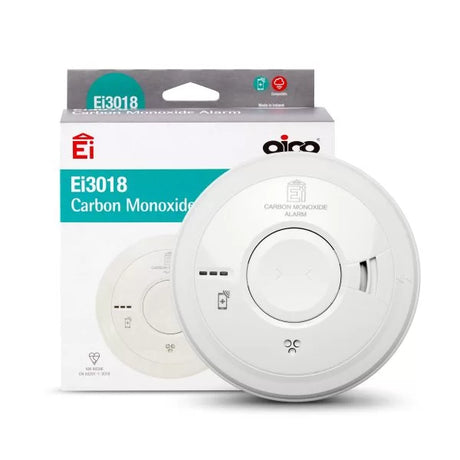 Save £10.58
Aico Ei3018 Carbon Monoxide Alarm - Electrochemical Sensor - Ei3018, Ei3000MRF Compatible
£ 57 99RRP: £68.575 Years Warranty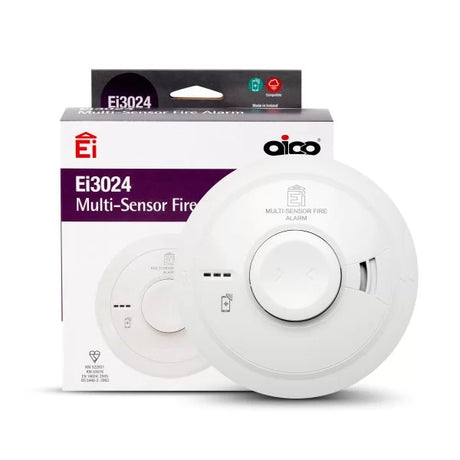 Save £20.06
 Save £24.00
 Save £10.26
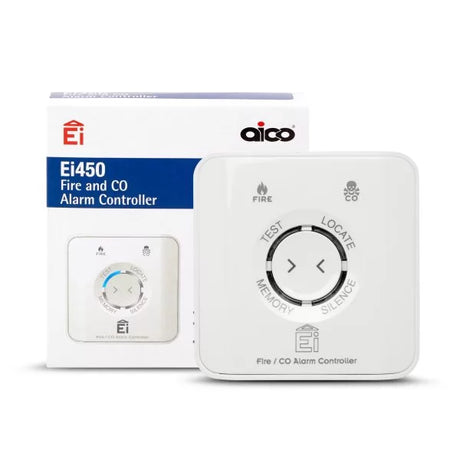
Aico Ei450 RadioLINK Alarm Controller - Wireless Control Switch for Fire & CO Alarms - SKU: Ei450
£ 54 99RRP: £65.255 Years Warranty Save £12.29
Aico Ei630iRF RadioLINK+ Battery Heat Alarm - 10-Year Lithium, AudioLINK+ - SKU: Ei630iRF
£ 64 99RRP: £77.285 Years Warranty Save £3.91
Aico Ei650i Battery Optical Smoke Alarm - 10-Year Lithium, AudioLINK+ - SKU: Ei650i
£ 20 15RRP: £24.065 Years Warranty Save £12.03
Aico Ei650iRF RadioLINK+ Optical Smoke Alarm - 10-Year Battery, AudioLINK+ - SKU: Ei650iRF
£ 63 99RRP: £76.025 Years Warranty Save £7.67
 Save £16.22
Aico Ei660iRF RadioLINK+ Multi-Sensor Fire Alarm - Optical & Heat - SKU: Ei660iRF
£ 85 99RRP: £102.215 Years Warranty Save £16.64
EN54 HeatFast delivery Tomorrow, 20 Nov
 Save £18.30
Ajax EN54 FireProtect Heat+Sounder Jeweller, Wireless EN54 Heat Detector
EN54Fast delivery Tomorrow, 20 Nov Save £18.30
Ajax EN54 FireProtect Heat/Sounder Jeweller, Addressable Wireless Heat Detector, Black
EN54Fast delivery Tomorrow, 20 Nov Save £18.30
 Save £18.30
Ajax EN54 FireProtect Smoke Detector (Jeweller), Black - 119922.275.BL1
EN54Fast delivery Tomorrow, 20 Nov Save £20.13
Ajax EN54 FireProtect Smoke Detector with Built-in Sounder, Jeweller Wireless Black 119920.276.BL1
EN54Fast delivery Tomorrow, 20 Nov


Choosing Wireless Fire Alarm Systems
Settle the type of system first, then choose detectors room by room, then decide on power and add-ons.
Homes or commercial systems
Aico alarms are graded for homes: mains models such as the Ei3016 are Grade D1, and sealed-battery models such as the Ei650iRF are Grade F1. Ajax EN54 FireProtect detectors such as the 119921.275.WH1 are addressable devices that report over the Jeweller radio protocol to Ajax control and indicating equipment, and the 135975.358.WH1 range extender can link to it over Ethernet.
How the alarms link
The Ei168RC base adds RadioLINK to Aico 140e Series mains alarms such as the Ei146e and Ei144e. Battery alarms such as the Ei650iRF have RadioLINK+ built in, while the Ei3024 connects wirelessly through the Ei3000MRF module, sold separately. Ajax detectors report through an Ajax hub, and the FireProtect 2 RB adds a fallback direct detector-to-detector interconnect.
Choosing the detector
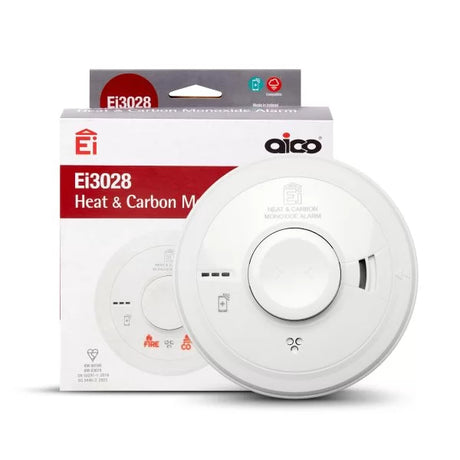
Optical smoke alarms such as the Ei146e pick up slow, smouldering fires in hallways, landings and bedrooms. Heat alarms such as the Ei144e trigger at 58°C, so steam and cooking fumes in kitchens and garages do not set them off. The Ei660iRF multi-sensor combines optical and heat sensing for flaming and smouldering fires, and the Ei3028 pairs heat with carbon monoxide detection.
Power and extra alerts
The Ei146e is mains powered with a replaceable 9V alkaline battery backup, while the Ei650iRF runs on a sealed 10-year lithium battery with no wiring. The Ei171RF strobe gives a visual warning for people who are deaf or hard of hearing and drives the Ei174 vibrating pillow pad.
| Model | Detects or does | Power | Link |
|---|---|---|---|
| Ei146e | Optical smoke | Mains, 9V battery backup | Hardwired or RadioLINK |
| Ei3024 | Optical and heat | Mains, 10-year lithium backup | Ei3000MRF module |
| Ei650iRF | Optical smoke | Sealed 10-year lithium | RadioLINK+ |
| Ei630iRF | Heat, 58°C | Sealed 10-year lithium | RadioLINK+ |
| Ei208WRF | Carbon monoxide | Sealed 10-year lithium | RadioLINK+ |
| Ei450 | Test, locate, silence | 3V lithium cell | RadioLINK |
| 119920.276.BL1 | EN54 smoke with sounder | 2 × CR123A | Jeweller |
Aico makes most of the range, and Ajax supplies the Jeweller and EN54 detectors.
Related categories
See the full fire alarm systems range, single alarms in smoke alarms and detectors and heat alarms, ready-made fire alarm kits, or the Aico fire and CO range.
Brands we stock in Wireless Fire Alarm Systems
Frequently asked questions
How does a wireless fire alarm system work?
A wireless fire alarm system links its detectors by radio instead of cable, so when one alarm senses smoke, heat or carbon monoxide, the others sound too. Home systems typically link the alarms directly, while commercial systems report to a control panel. Because no interconnecting cable is needed, they suit occupied homes and older or protected buildings.
Are wireless fire alarms suitable for homes?
Yes. Radio-linked smoke, heat and carbon monoxide alarms are widely used in homes and rented property, and more alarms can be added later without lifting floors. Choose mains-powered alarms with a battery backup or sealed long-life battery models to suit the property, and fit them where fire safety guidance requires. The range here includes radio-linked smoke, heat and carbon monoxide alarms.
Can a wireless fire alarm system be used in commercial buildings?
Yes. Commercial wireless systems use addressable radio detectors and sounders that report to a control panel, so the location of an alarm can be pinpointed. Look for devices certified to EN 54, the European standard series for fire detection equipment, and have the system designed and commissioned by a competent installer. The range here includes addressable wireless detectors and range extenders.
Does a wireless fire alarm system need a control panel?
No, not always. Domestic radio-linked alarms usually talk directly to one another, and a handheld controller can test, locate or silence them from one place. Commercial EN 54 systems do need control and indicating equipment, which receives alarm and fault signals over radio. Some smart systems instead use a hub that sends alerts to a phone app.
Why buy from West Midlands Electrics
- Established 1975
- Birmingham trade counter
- UK-only supply
Updated
You may also like
-
Save £4.81
Aico Ei128R Hard Wired Relay Module - External Device Trigger for Alarm Systems - SKU: Ei128R
£ 29 99RRP: £34.805 Years WarrantyFast delivery Tomorrow, 20 Nov -
Save £9.40
£ 46 99RRP: £56.395 Years WarrantyFast delivery Tomorrow, 20 Nov
-
Save £6.36
Aico Ei144e Heat Alarm - Mains Powered with Battery Backup - SKU: Ei144e
£ 32 99RRP: £39.355 Years Warranty -
Save £4.54
Aico Ei146e Optical Smoke Alarm - Mains Powered with Battery Backup - SKU: Ei146e
£ 23 14RRP: £27.685 Years Warranty -
Save £9.80
Aico Ei168RC RadioLINK Base - Wireless Interconnect Mount for 140e Series Alarms - SKU: Ei168RC
£ 50 20RRP: £60.005 Years WarrantyFast delivery Tomorrow, 20 Nov -
Save £28.78
Aico Ei171RF RadioLINK Strobe Light - Visual Alarm for Deaf & Hard of Hearing - SKU: Ei171RF
£ 158 99RRP: £187.775 Years Warranty -
Save £3.70
Aico Ei174 Vibrating Pillow Pad - Auxiliary Alert for Hearing Impaired - SKU: Ei174
£ 22 30RRP: £26.005 Years Warranty -
Save £3.93
Aico Ei208 Battery Carbon Monoxide Alarm - 10-Year Lithium, AudioLINK+ - SKU: Ei208
£ 19 99RRP: £23.925 Years Warranty -
Save £12.24
Aico Ei208WRF RadioLINK+ Carbon Monoxide Alarm - Battery Powered, AudioLINK+ - SKU: Ei208WRF
£ 64 99RRP: £77.235 Years Warranty -
Save £9.09
Aico Ei3014 Heat Alarm - High-Performance Thermistor Sensor - Ei3014, Ei3000MRF Compatible
£ 48 99RRP: £58.085 Years Warranty -
Save £8.79
Aico Ei3016 Optical Smoke Alarm - High-Performance Sensor - Ei3016, Ei3000MRF Compatible
£ 46 99RRP: £55.785 Years Warranty -
Save £10.58
Aico Ei3018 Carbon Monoxide Alarm - Electrochemical Sensor - Ei3018, Ei3000MRF Compatible
£ 57 99RRP: £68.575 Years Warranty -
Save £20.06
-
Save £24.00
-
Save £10.26
Aico Ei450 RadioLINK Alarm Controller - Wireless Control Switch for Fire & CO Alarms - SKU: Ei450
£ 54 99RRP: £65.255 Years Warranty -
Save £12.29
Aico Ei630iRF RadioLINK+ Battery Heat Alarm - 10-Year Lithium, AudioLINK+ - SKU: Ei630iRF
£ 64 99RRP: £77.285 Years Warranty -
Save £3.91
Aico Ei650i Battery Optical Smoke Alarm - 10-Year Lithium, AudioLINK+ - SKU: Ei650i
£ 20 15RRP: £24.065 Years Warranty -
Save £12.03
Aico Ei650iRF RadioLINK+ Optical Smoke Alarm - 10-Year Battery, AudioLINK+ - SKU: Ei650iRF
£ 63 99RRP: £76.025 Years Warranty -
Save £7.67
-
Save £16.22
Aico Ei660iRF RadioLINK+ Multi-Sensor Fire Alarm - Optical & Heat - SKU: Ei660iRF
£ 85 99RRP: £102.215 Years Warranty -
Save £16.64
EN54 HeatFast delivery Tomorrow, 20 Nov
-
Save £18.30
Ajax EN54 FireProtect Heat+Sounder Jeweller, Wireless EN54 Heat Detector
EN54Fast delivery Tomorrow, 20 Nov -
Save £18.30
Ajax EN54 FireProtect Heat/Sounder Jeweller, Addressable Wireless Heat Detector, Black
EN54Fast delivery Tomorrow, 20 Nov -
Save £18.30
-
Save £18.30
Ajax EN54 FireProtect Smoke Detector (Jeweller), Black - 119922.275.BL1
EN54Fast delivery Tomorrow, 20 Nov -
Save £20.13
Ajax EN54 FireProtect Smoke Detector with Built-in Sounder, Jeweller Wireless Black 119920.276.BL1
EN54Fast delivery Tomorrow, 20 Nov