
Audio Connectors
Audio connectors here are the plugs, sockets and chassis parts that terminate microphone, instrument and speaker cables: XLR line connectors and panel sockets, Speakon speaker connectors, jack plugs, RCA phono plugs and sockets, and multi-pin female connectors. Examples include the Neutrik NC3FXX XLR line connector, the NL4FXX Speakon cable connector, the QTX 750.352UK right-angle jack plug and the Mercury 777.018UK phono plug with screw terminals.
 Save £0.29


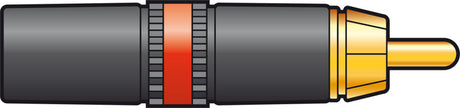 Save £0.14
Neutrik: 993.095UK, Professional Phono Plugs, Red ID Band, RCA, Audio Performance
£ 1 89RRP: £2.03Fast delivery Tomorrow, 11 Nov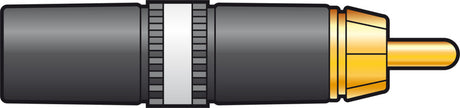 Save £0.14
£ 1 89RRP: £2.03Fast delivery Tomorrow, 11 Nov
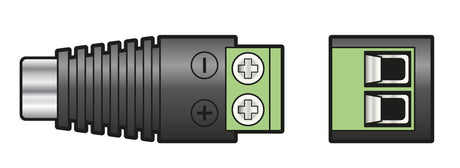 Save £0.06
Mercury: 777.019UK, RCA Phono Socket, Screw Terminal, 5A, 24Vdc, Modular Connection
Easy Install£ 0 82RRP: £0.88Fast delivery Tomorrow, 11 Nov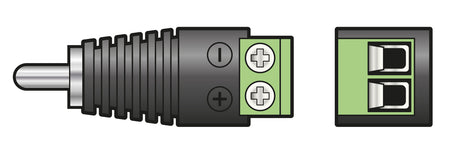 Save £0.06
Mercury: 777.018UK, RCA Phono Plug with Screw Terminals, 5A, 24Vdc
Quick Connect£ 0 82RRP: £0.88Fast delivery Tomorrow, 11 Nov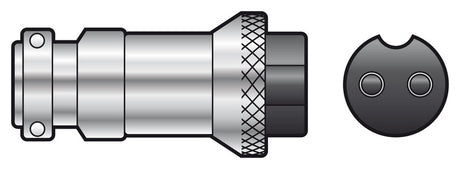 Save £0.04
Easy to Use£ 0 56RRP: £0.60Fast delivery Tomorrow, 11 Nov

 Save £0.12
Easy to Use£ 1 52RRP: £1.64Fast delivery Tomorrow, 11 Nov
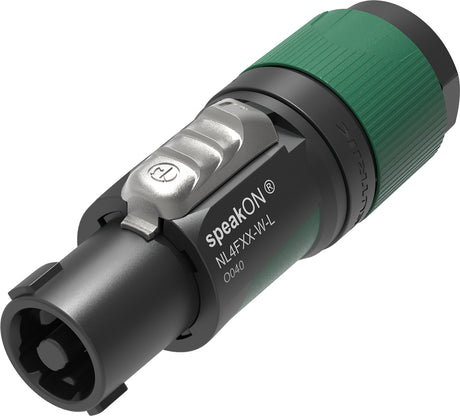
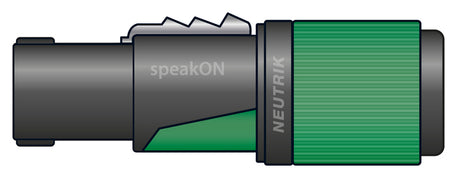 Save £0.46
37 A RMS£ 6 22RRP: £6.68Fast delivery Tomorrow, 11 Nov
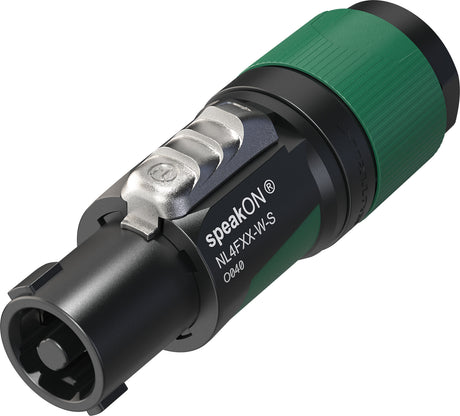 Save £0.46
Industry Standard£ 6 07RRP: £6.53Fast delivery Tomorrow, 11 Nov
 Save £0.33
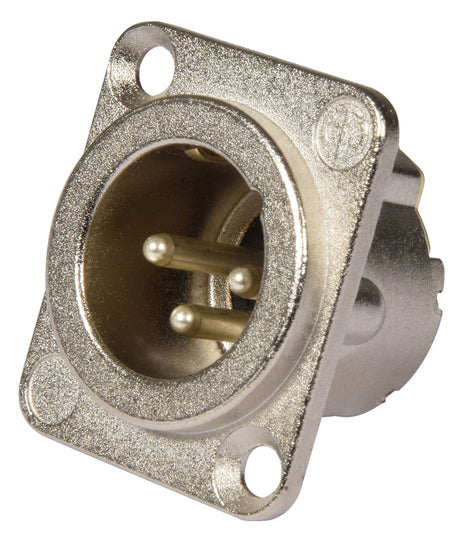
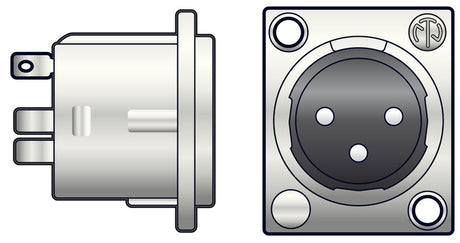
Neutrik: NC3MD-LX, 3-pin XLR Chassis Plug, Solder Terminals, Two Screw Mount Design
Durable Design£ 4 34RRP: £4.67Fast delivery Tomorrow, 11 Nov Save £0.35
Neutrik: 763.483UK, NL2FXX Speakon Cable Connector, 2 Pole, 6-12mm, 37A, Ergonomic Design
High Performance£ 4 69RRP: £5.04Fast delivery Tomorrow, 11 Nov
 Save £0.18
Compact Design£ 2 41RRP: £2.59Fast delivery Tomorrow, 11 Nov
 Save £0.36
Reliable£ 4 84RRP: £5.20Fast delivery Tomorrow, 11 Nov
 Save £0.36
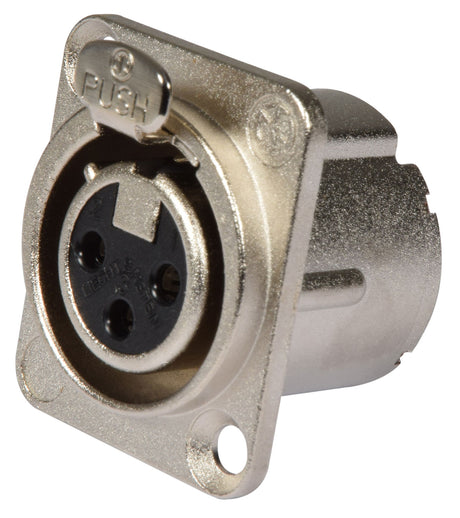
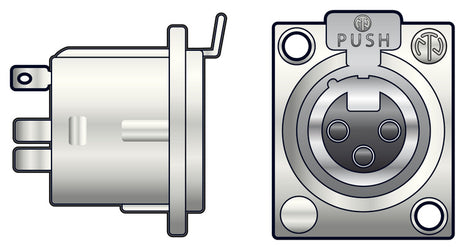
Neutrik: 761.660UK, 3 Pin XLR Panel Socket, Screw Mount, Solder Terminals
Reliable Signal£ 4 84RRP: £5.20Fast delivery Tomorrow, 11 Nov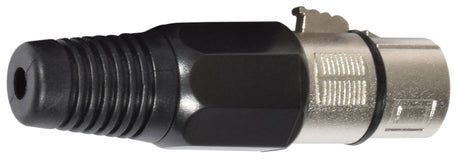 Save £0.06
Fast Installation£ 0 75RRP: £0.81Fast delivery Tomorrow, 11 Nov
 Save £0.05
QTX: 761.627UK, 3-pin XLR Connector, Plug, Fast Mounting, Strain Relief, Durable Plastic
Fast Mounting£ 0 70RRP: £0.75Fast delivery Tomorrow, 11 Nov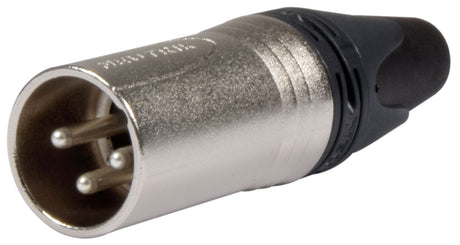
 Save £0.30
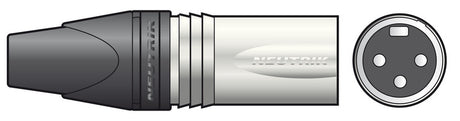
Neutrik: NC3MXX, 3-Pole XLR Line Connector, Metal, 0.030 kg, Ideal for Cables up to 8mm
Durable£ 4 07RRP: £4.37Fast delivery Tomorrow, 11 Nov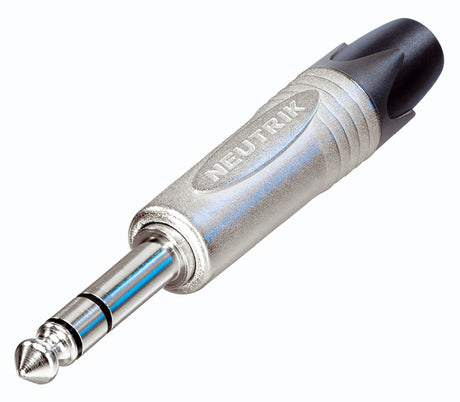 Save £0.40
Neutrik: 751.254UK, 6.3mm Stereo Plug, Professional All Metal Design
£ 5 31RRP: £5.71Fast delivery Tomorrow, 11 Nov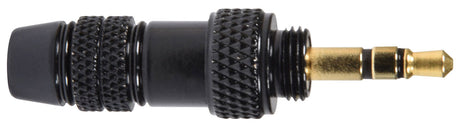 Save £0.19
QTX: 752.687UK, 3.5mm Threaded Stereo Jack Plugs, Black Metal, Gold Connector, Pack of 10
Audio Quality£ 2 48RRP: £2.67Fast delivery Tomorrow, 11 Nov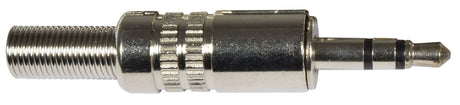 Save £0.03
QTX: 752.685UK, 3.5mm Jack Plugs, Chrome Metal Body, Up to 5mm Cables, Pack of 10
Durable£ 0 35RRP: £0.38
 Save £0.30
Neutrik: 750.735UK, 6.3mm Mono Jack Plug, Professional Quality, Robust Construction
£ 3 93RRP: £4.23Fast delivery Tomorrow, 11 Nov Save £0.07
QTX: 750.352UK, Heavy Duty Metal 6.3mm Right-Angle Jack Plug, Pack of 10
£ 1 03RRP: £1.10Fast delivery Tomorrow, 11 Nov


Choosing Audio Connectors
Pick the connector family first, then decide between a cable end and a panel, and check the cable diameter. Neutrik and QTX make most of the connectors on this page.
XLR for microphones and balanced lines
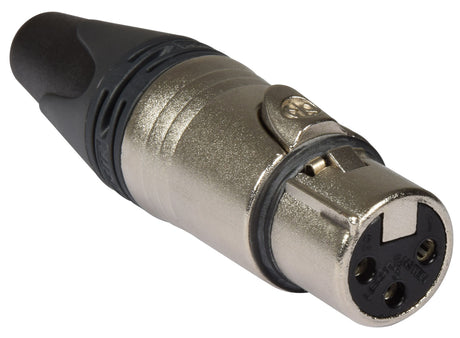
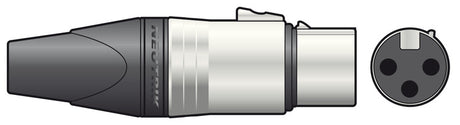
The Neutrik NC3FXX and NC3MXX are 3-pole XLR line connectors in a standard metal version, each with a rubber cable protector for cables up to 8mm in diameter. The QTX 761.627UK plug and 761.657UK socket have strain relief and a plastic cable protector. For a box or rack panel, the NC3FD-LX socket and the NC3MD-LX chassis plug mount with two screws and have solder terminals.
Speakon for loudspeakers
The Neutrik NL4FXX is a 4 pole Speakon cable connector with a twist lock and a 37 A rms current rating; the 763.481UK version has screw terminals and a chuck type strain relief. The NL2FXX is its 2 pole counterpart, compatible with both 2-pole and 4-pole chassis connectors. The NL4MPXX is a 4-pole square chassis socket with a 25 x 30mm flange. The QTX 764.900UK is a 4 pole latched speaker plug with an integral reducer for 6-10mm cable.
Jack plugs
The Neutrik NP2X is a 6.3mm mono jack plug and the NP3X a 6.3mm stereo plug with a metal body. From QTX, the 750.152UK has a chromed metal body and spring cable protector, the 750.352UK is a heavy duty right-angle 6.3mm plug, and the 752.687UK is a 3.5mm threaded stereo plug with a gold stereo connector.
Phono and multi-pin
The Neutrik NYS373-2/-9 RCA phono plugs carry a red or white ID band. The Mercury 777.018UK plug and 777.019UK socket use twin modular terminals, so 2 core speaker cable connects without soldering, and the Mercury 765.042UK multi-pin female connectors have a locking ring and solder connections.
| Type | Example | Detail |
|---|---|---|
| XLR line connector | NC3FXX | Cables up to 8mm |
| XLR panel socket | NC3FD-LX | Two-screw mount, solder terminals |
| Speakon cable connector | NL4FXX | 4 pole, 37 A rms |
| Speakon chassis socket | NL4MPXX | 25 x 30mm flange |
| Right-angle jack plug | 750.352UK | 6.3mm, heavy duty metal |
| Threaded jack plug | 752.687UK | 3.5mm stereo |
| RCA phono plug | 777.018UK | Screw terminals |
| Multi-pin connector | 765.042UK | Locking ring |
Related categories
Finished leads are in AV cables and adapters and bulk cable in speaker cable. Connect to power amplifiers, PA speakers and microphones, see Neutrik products and QTX products, or read our Help & Support guides.
Brands we stock in Audio Connectors
LEA Professional, Mercury, Neutrik, Opus Technologies, QTX and Vanco.
Frequently asked questions
What are speaker connectors?
Speaker connectors are the plugs, sockets and terminals that join speaker cable to an amplifier or loudspeaker. Common types include Speakon twist-lock connectors for professional speakers, jack plugs for some amplifiers and cabinets, and RCA phono plugs or screw terminals for installed systems. Choose one that matches the sockets on your equipment and the cable size. The range here includes Speakon, jack, XLR and RCA phono connectors.
Can you use jack plugs for speakers?
Yes, some amplifiers and speaker cabinets use quarter-inch jack connections, so a jack plug can carry a speaker signal. Jacks do not lock in place, though, and can briefly short the amplifier output as they are inserted. That is why Speakon connectors are often preferred for higher-power professional speakers. The range here includes mono and stereo jack plugs.
What is an XLR connector?
An XLR connector is a round, latching audio connector, usually with three pins, used for microphones, mixers and balanced line connections. The latch stops the plug pulling out, and balanced wiring helps reject interference over long cable runs. XLR connectors are made as cable connectors and as chassis or panel sockets, in male and female versions. The range here includes XLR line connectors and panel sockets.
How do you replace an XLR connector?
To replace an XLR connector, cut off the old one, slide the new boot and shell onto the cable, then strip and solder the cores to the pins. Pin one usually takes the screen, pin two the hot core and pin three the cold core. Reassemble the connector and test the lead before use. The range here includes XLR connectors with solder contacts.
Why buy from West Midlands Electrics
- Established 1975
- Birmingham trade counter
- UK-only supply
Updated
You may also like
-
Save £0.29
-
-
-
-
-
Save £0.14
Neutrik: 993.095UK, Professional Phono Plugs, Red ID Band, RCA, Audio Performance
£ 1 89RRP: £2.03Fast delivery Tomorrow, 11 Nov -
Save £0.14
£ 1 89RRP: £2.03Fast delivery Tomorrow, 11 Nov
-
Save £0.06
Mercury: 777.019UK, RCA Phono Socket, Screw Terminal, 5A, 24Vdc, Modular Connection
Easy Install£ 0 82RRP: £0.88Fast delivery Tomorrow, 11 Nov -
Save £0.06
Mercury: 777.018UK, RCA Phono Plug with Screw Terminals, 5A, 24Vdc
Quick Connect£ 0 82RRP: £0.88Fast delivery Tomorrow, 11 Nov -
Save £0.04
Easy to Use£ 0 56RRP: £0.60Fast delivery Tomorrow, 11 Nov
-
Save £0.12
Easy to Use£ 1 52RRP: £1.64Fast delivery Tomorrow, 11 Nov
-
Save £0.46
37 A RMS£ 6 22RRP: £6.68Fast delivery Tomorrow, 11 Nov
-
Save £0.46
Industry Standard£ 6 07RRP: £6.53Fast delivery Tomorrow, 11 Nov
-
Save £0.33
Neutrik: NC3MD-LX, 3-pin XLR Chassis Plug, Solder Terminals, Two Screw Mount Design
Durable Design£ 4 34RRP: £4.67Fast delivery Tomorrow, 11 Nov -
Save £0.35
Neutrik: 763.483UK, NL2FXX Speakon Cable Connector, 2 Pole, 6-12mm, 37A, Ergonomic Design
High Performance£ 4 69RRP: £5.04Fast delivery Tomorrow, 11 Nov -
Save £0.18
Compact Design£ 2 41RRP: £2.59Fast delivery Tomorrow, 11 Nov
-
Save £0.36
Reliable£ 4 84RRP: £5.20Fast delivery Tomorrow, 11 Nov
-
Save £0.36
Neutrik: 761.660UK, 3 Pin XLR Panel Socket, Screw Mount, Solder Terminals
Reliable Signal£ 4 84RRP: £5.20Fast delivery Tomorrow, 11 Nov -
Save £0.06
Fast Installation£ 0 75RRP: £0.81Fast delivery Tomorrow, 11 Nov
-
Save £0.05
QTX: 761.627UK, 3-pin XLR Connector, Plug, Fast Mounting, Strain Relief, Durable Plastic
Fast Mounting£ 0 70RRP: £0.75Fast delivery Tomorrow, 11 Nov -
Save £0.30
Neutrik: NC3MXX, 3-Pole XLR Line Connector, Metal, 0.030 kg, Ideal for Cables up to 8mm
Durable£ 4 07RRP: £4.37Fast delivery Tomorrow, 11 Nov -
Save £0.40
Neutrik: 751.254UK, 6.3mm Stereo Plug, Professional All Metal Design
£ 5 31RRP: £5.71Fast delivery Tomorrow, 11 Nov -
Save £0.19
QTX: 752.687UK, 3.5mm Threaded Stereo Jack Plugs, Black Metal, Gold Connector, Pack of 10
Audio Quality£ 2 48RRP: £2.67Fast delivery Tomorrow, 11 Nov -
Save £0.03
QTX: 752.685UK, 3.5mm Jack Plugs, Chrome Metal Body, Up to 5mm Cables, Pack of 10
Durable£ 0 35RRP: £0.38 -
Save £0.30
Neutrik: 750.735UK, 6.3mm Mono Jack Plug, Professional Quality, Robust Construction
£ 3 93RRP: £4.23Fast delivery Tomorrow, 11 Nov -
Save £0.07
QTX: 750.352UK, Heavy Duty Metal 6.3mm Right-Angle Jack Plug, Pack of 10
£ 1 03RRP: £1.10Fast delivery Tomorrow, 11 Nov