
High Bay & Low Bay
High bay and low bay lights are LED fittings for commercial and industrial spaces, with low bay models made for lower ceilings. Knightsbridge POTENTIA high bay fittings have selectable wattage and a selectable 4000K or 5000K colour temperature, are rated IP65 and IK08, and take optional 60° lens accessories. Knightsbridge low bay lights are 230V fittings at 90W and 165W with a 5500K colour temperature.
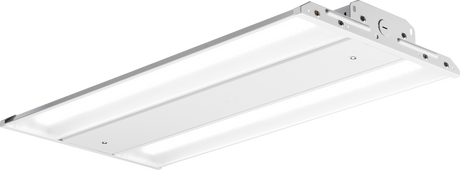 Save £13.46
Knightsbridge: LWB165, Dimmable LED Low Bay Light, 230V, 165W, 23220 Lumens, IK06, 5500K
High Lumen Output£ 82 71RRP: £96.175 Years WarrantyFast delivery Tomorrow, 11 Nov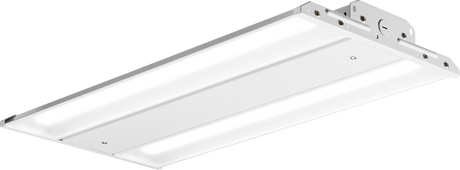 Save £10.67
Knightsbridge: LWB90, LED Low Bay Light, 230V, 90W, Dimmable, 12800lm, IK06, 5500K
Dimmable Power£ 54 02RRP: £64.695 Years WarrantyFast delivery Tomorrow, 11 Nov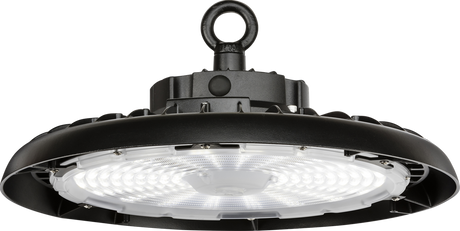 Save £8.29
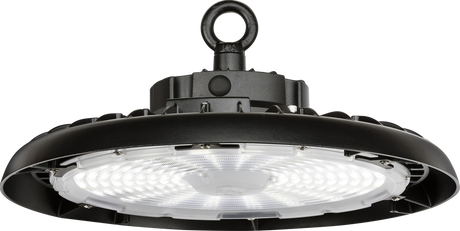
Knightsbridge: POTHB1, High Bay LED Light, IP65/IK08, 100/120/150W, Dual CCT 4000/5000K
Triple Wattage£ 67 15RRP: £75.445 Years WarrantyFast delivery Tomorrow, 11 Nov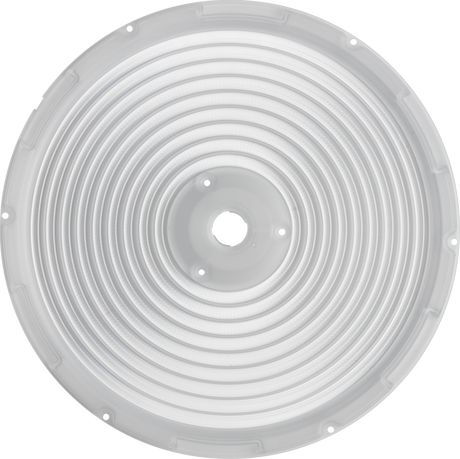 Save £0.49
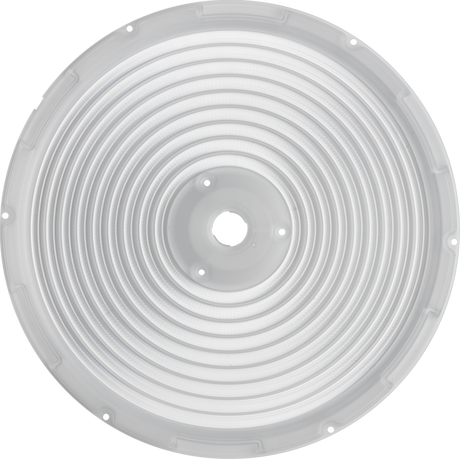
Clear Lens£ 2 68RRP: £3.175 Years WarrantyFast delivery Tomorrow, 11 Nov
 Save £12.12
Triple Wattage£ 80 70RRP: £92.825 Years WarrantyFast delivery Tomorrow, 11 Nov
 Save £0.61
Optimal Light£ 4 18RRP: £4.795 Years WarrantyFast delivery Tomorrow, 11 Nov
Choosing High Bay & Low Bay
The high bay lights here are industrial LED fittings: the POTENTIA POTHB1 and POTHB2 have a triple-wattage and dual CCT function, so one fitting offers three wattage settings and two colour temperatures. For a lower ceiling, the LWB165 low bay light has a low profile.
| Model | Type | Wattage | Colour temperature | Rating |
|---|---|---|---|---|
| LWB90 | LED low bay | 90W, 12,800 lumens | 5500K | IK06 |
| LWB165 | LED low bay | 165W, 23,220 lumens | 5500K | IK06 |
| POTHB1 | High bay | 100, 120 or 150W | 4000K or 5000K | IP65, IK08 |
| POTHB2 | High bay | 150, 180 or 200W | 4000K or 5000K | IP65, IK08 |
| POTHB1L60 | 60° clear polycarbonate lens for the POTHB1, 213mm | – | – | – |
| POTHB2L60 | 60° clear polycarbonate lens for the POTHB2, 267mm | – | – | – |
POTENTIA high bay fittings
The POTHB1 and POTHB2 are POTENTIA fittings from Knightsbridge's industrial range. The POTHB1 and POTHB2 are each supplied as standard with a polycarbonate diffuser for food-safe environments, and each uses Lumiled LEDs.
LED low bay lights
The LWB90 and LWB165 run on 230V with a high efficacy of 140lm/W and are made for commercial and industrial lighting. Both have a colour temperature of 5500K and a 0-10V dimmable driver, and each comes with 2 suspension hooks and 2 × 1 metre chains for hanging.
60° lens accessories
The POTHB1L60 is a clear polycarbonate 60° lens designed specifically for the POTHB1. The POTHB2L60 is the clear polycarbonate 60° lens designed specifically for the POTHB2, offering optimal light distribution, and it suits warehouse or retail environments.
Related categories
See commercial lighting and LED floodlights.
Brands we stock in High Bay & Low Bay
Frequently asked questions
What is the difference between high bay and low bay lights?
High bay lights are designed for tall ceilings, typically above about six metres, while low bay lights suit lower ceilings in workshops, shops and smaller warehouses. High bays often use narrower beams to push light down to the floor, while low bays spread light wider at a lower height. The range here includes LED high bay and low bay lights.
What are the different types of high bay lighting?
High bay lighting comes as round UFO-style LED fittings, linear LED high bays and older metal halide or fluorescent fittings, which LED versions now usually replace. Fittings also differ by beam angle, wattage, colour temperature and ratings, such as IP65 for dusty or damp spaces. The range here includes LED high bays with selectable wattage and colour temperature.
How many high bay lights do I need?
The number of high bay lights you need depends on the floor area, the mounting height, the fitting's light output and the lux level the task needs. A lighting design or lux calculation from the fitting's photometric data gives an exact figure. As a rough guide, fittings are often spaced about one to one and a half times their mounting height apart.
How do you install high bay lights?
High bay lights are usually hung on a hook, chain or bracket fixed to the roof structure, or surface mounted, then wired to the mains by a qualified electrician. Check the structure can take the fitting's weight, use a safe access platform, and connect any dimming or sensor wiring before hanging. The range here includes low bay lights supplied with suspension hooks and chains.
What is a high bay light?
A high bay light is a powerful light fitting made for high ceilings in spaces such as warehouses, factories, gyms and sports halls. It is hung or mounted high up and directs a strong beam down to the floor. Modern high bays use LEDs, which use less energy than older metal halide lamps. The range here includes LED high bays and lens accessories.
Why buy from West Midlands Electrics
- Established 1975
- Birmingham trade counter
- UK-only supply
Updated
You may also like
-
Save £13.46
Knightsbridge: LWB165, Dimmable LED Low Bay Light, 230V, 165W, 23220 Lumens, IK06, 5500K
High Lumen Output£ 82 71RRP: £96.175 Years WarrantyFast delivery Tomorrow, 11 Nov -
Save £10.67
Knightsbridge: LWB90, LED Low Bay Light, 230V, 90W, Dimmable, 12800lm, IK06, 5500K
Dimmable Power£ 54 02RRP: £64.695 Years WarrantyFast delivery Tomorrow, 11 Nov -
Save £8.29
Knightsbridge: POTHB1, High Bay LED Light, IP65/IK08, 100/120/150W, Dual CCT 4000/5000K
Triple Wattage£ 67 15RRP: £75.445 Years WarrantyFast delivery Tomorrow, 11 Nov -
Save £0.49
Clear Lens£ 2 68RRP: £3.175 Years WarrantyFast delivery Tomorrow, 11 Nov
-
Save £12.12
Triple Wattage£ 80 70RRP: £92.825 Years WarrantyFast delivery Tomorrow, 11 Nov
-
Save £0.61
Optimal Light£ 4 18RRP: £4.795 Years WarrantyFast delivery Tomorrow, 11 Nov