
Soldering Irons & Solder
Mercury soldering tools here cover mains soldering irons, a 48W replacement iron for soldering stations, lead-free solder wire, flux, and the tools for taking solder off again: a desoldering pump and copper desoldering braid. A bench top holder with a bit cleaning sponge holds a hot iron safely. Pick the iron for the work first, then the solder and flux to suit it.
 Save £0.16
 Save £2.41
 Save £0.51
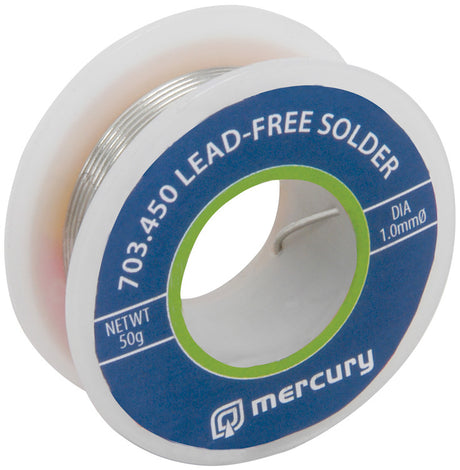
Mercury: 703.450UK, Lead-free Solder, 1.0mmØ, 50g, 99.3% Sn, 0.7% Cu, Melting Point 227°C
Lead-free£ 6 82RRP: £7.33Fast delivery Mon, 16 Nov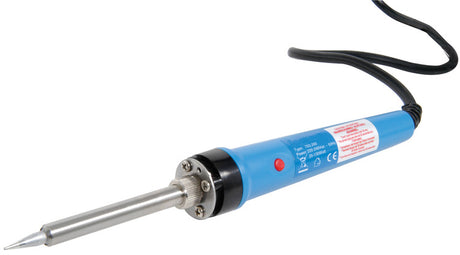 Save £0.68
Mercury: 703.260UK, Switchable Soldering Iron, 20W/130W, Ceramic Element, 230Vac
Fast Heating£ 9 17RRP: £9.85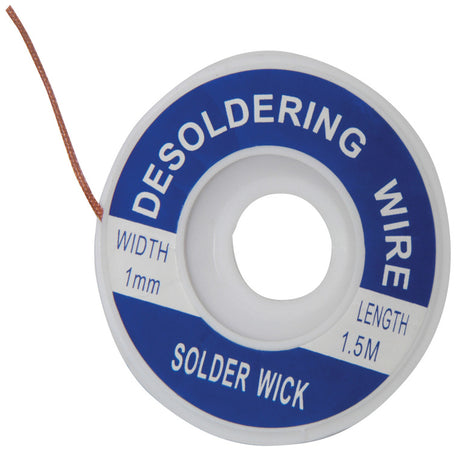 Save £0.06
Mercury: 703.004UK, Desolder Braid, 1.0mm Width, Copper, Miniature Reel, 1.5m Length
£ 0 90RRP: £0.96Fast delivery Mon, 16 Nov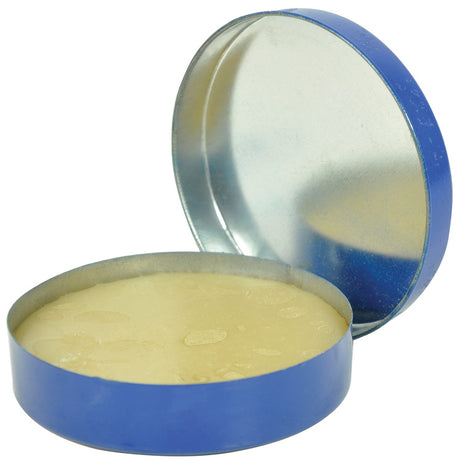 Save £0.09
Mercury: 703.003UK, Soldering Flux, 30g, Prevents Dry Joints and Oxidisation
Quality Joint£ 1 31RRP: £1.40Fast delivery Mon, 16 Nov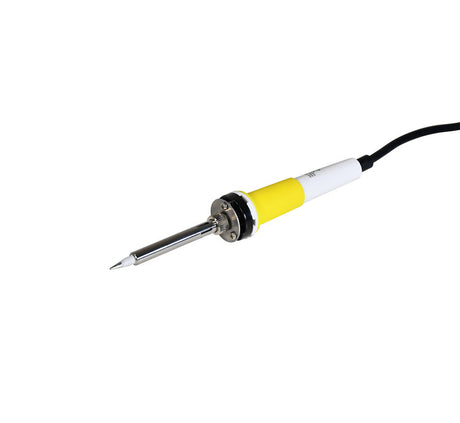 Save £0.70
High Efficiency£ 9 30RRP: £10.00Fast delivery Mon, 16 Nov
 Save £0.22
Quick Finish£ 2 90RRP: £3.12
 Save £0.19
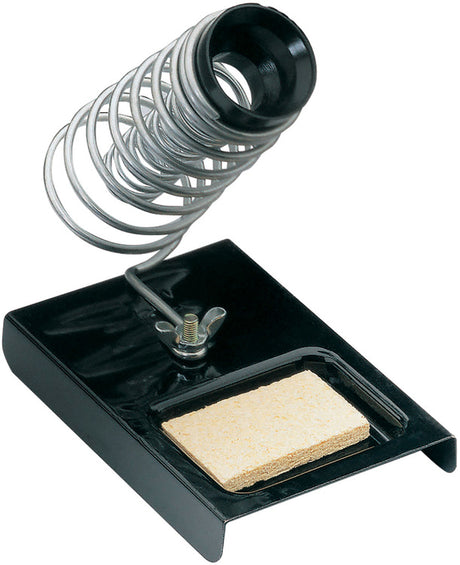
Mercury: 700.775UK, Bench Top Soldering Iron Holder, Metal Construction, with Sponge
Heat Resistant£ 2 63RRP: £2.82Fast delivery Mon, 16 Nov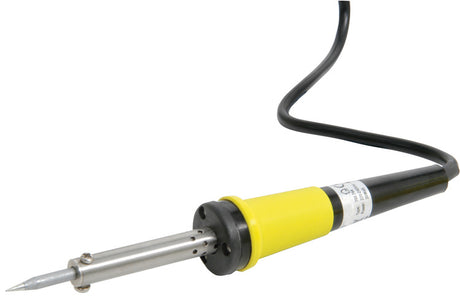 Save £0.57
Mercury: 700.744UK, 30W Mains Powered Soldering Iron with Stand, 1.2m Lead, 210mm
Quick Heat Up£ 7 65RRP: £8.22Fast delivery Mon, 16 Nov
Choosing Soldering Irons & Solder
Choose an iron for the work, then the solder, flux and desoldering tools to go with it.
Soldering irons
The 700.744UK is a compact 30W mains soldering iron for trade, DIY and hobbyist use, with a 1.2m power cable, a sealed mains plug and a stand. The 700.744UK reaches operating temperature in around 10 minutes and then holds a stable, constant heat. The 703.260UK switchable iron, set to 20W or 130W, has a ceramic element for quick heating, high temperature stability and long life, and is also supplied with a stand.
Replacement iron for soldering stations
The 703.054UK is a 48W replacement iron with a 5-pin DIN plug, suitable for a wide range of soldering stations that use a 5-pin DIN connection. The 703.054UK ceramic element gives a temperature range of 160-480°C, the bit fits directly onto the element to minimise thermal loss, and the lead is heat-resistant silicone.
Solder and flux
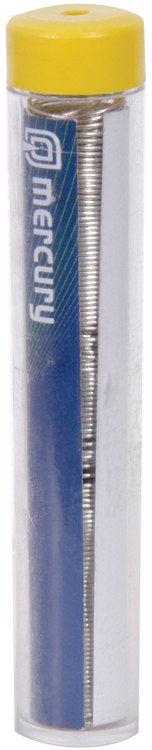
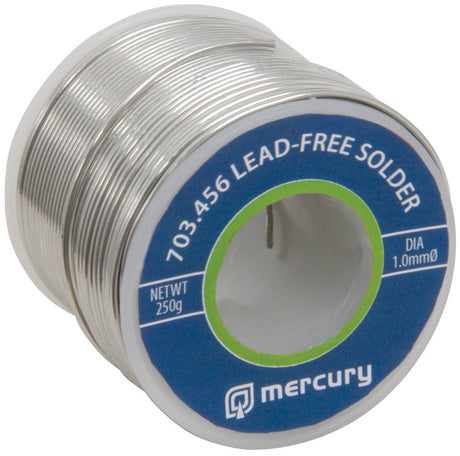
Mercury lead-free solder is 99.3% tin and 0.7% copper with 2.2% flux, melts at 227°C and makes a virtually permanent joint for maintenance and repairs to connectors. It comes as 1.0mm wire in 50g (703.450UK) and 250g (703.456UK), and as 0.6mm wire in a 10g, 5.0m length (703.459UK). The 703.003UK tin holds 30g of flux, used to prevent dry joints and oxidisation.
Desoldering and holding the iron
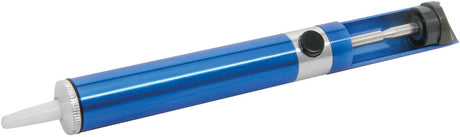
To remove solder, the 700.990UK desoldering pump has a heat resistant PTFE Teflon nozzle, and the 703.004UK is a miniature pop-open reel of 1.0mm copper braid that soaks up solder and cleans soldering points on a PCB. The 700.775UK bench top holder is all metal, holds a hot iron to help avoid accidental contact and has a bit cleaning sponge.
| Job | Product | Detail |
|---|---|---|
| Trade, DIY and hobby joints | 700.744UK | 30W, stand included |
| Two power settings | 703.260UK | 20W or 130W, ceramic element |
| Station replacement iron | 703.054UK | 48W, 5-pin DIN plug |
| Thin solder wire | 703.459UK | 0.6mm, 10g |
| Clearing a joint | 703.004UK | 1.0mm copper braid |
Related categories
Soldering sits within hand tools, alongside wire strippers and crimpers and the wider tools and installation supplies range. The full Mercury range has its own page.
Brands we stock in Soldering Irons & Solder
Frequently asked questions
What solder do you use with a soldering iron?
For electrical and electronics work, use a flux-cored solder wire, often a lead-free tin and copper alloy. Thinner wire suits fine joints on circuit boards, while thicker wire puts down more solder on larger connectors and cables. Never use an acid flux made for plumbing on electrical work. The range here includes lead-free solder wire in thin and standard gauges, plus a tin of flux.
How do you use a soldering iron?
Let the iron reach temperature, wipe the tip on a damp sponge and add a little solder to tin it. Heat the wire and the pad or terminal together, then feed solder into the joint rather than onto the tip. Take the solder away first, then the iron, and let the joint cool undisturbed. The range here includes an iron holder with a cleaning sponge.
What is a soldering iron?
A soldering iron is a hand tool with a heated metal tip that melts solder to join wires and components electrically. Higher-wattage irons usually suit larger joints, while irons on a soldering station let you set the temperature. Choose a fine bit for electronics. The range here includes a mains soldering iron, a switchable iron and a replacement iron for soldering stations.
Why buy from West Midlands Electrics
- Established 1975
- Birmingham trade counter
- UK-only supply
Updated
You may also like
-
Save £0.16
-
Save £2.41
-
Save £0.51
Mercury: 703.450UK, Lead-free Solder, 1.0mmØ, 50g, 99.3% Sn, 0.7% Cu, Melting Point 227°C
Lead-free£ 6 82RRP: £7.33Fast delivery Mon, 16 Nov -
Save £0.68
Mercury: 703.260UK, Switchable Soldering Iron, 20W/130W, Ceramic Element, 230Vac
Fast Heating£ 9 17RRP: £9.85 -
Save £0.06
Mercury: 703.004UK, Desolder Braid, 1.0mm Width, Copper, Miniature Reel, 1.5m Length
£ 0 90RRP: £0.96Fast delivery Mon, 16 Nov -
Save £0.09
Mercury: 703.003UK, Soldering Flux, 30g, Prevents Dry Joints and Oxidisation
Quality Joint£ 1 31RRP: £1.40Fast delivery Mon, 16 Nov -
Save £0.70
High Efficiency£ 9 30RRP: £10.00Fast delivery Mon, 16 Nov
-
Save £0.22
Quick Finish£ 2 90RRP: £3.12
-
Save £0.19
Mercury: 700.775UK, Bench Top Soldering Iron Holder, Metal Construction, with Sponge
Heat Resistant£ 2 63RRP: £2.82Fast delivery Mon, 16 Nov -
Save £0.57
Mercury: 700.744UK, 30W Mains Powered Soldering Iron with Stand, 1.2m Lead, 210mm
Quick Heat Up£ 7 65RRP: £8.22Fast delivery Mon, 16 Nov