
Smoke Alarms & Detectors
A smoke alarm is a self-contained device that detects smoke and sounds its own siren, while a smoke detector reports to a fire alarm panel or a wireless security hub. The range has alarms and detectors: domestic alarms from Aico, Espire, Ajax and Mercury, and addressable detectors from Nittan, Apollo and C-TEC, alongside heat and multi-sensor heads, relay bases and mounting accessories.
 Save £1.94
Addressable Rate-of-Rise Heat Detector EV-H-A1R, A1R 54°C, Evolution FSK
£ 26 14RRP: £28.08Fast delivery Tomorrow, 11 Nov Save £43.55
Aico Ei1000G SmartLINK Gateway - Remote Monitoring for RF Alarms - SKU: Ei1000G
£ 224 99RRP: £268.545 Years Warranty Save £6.36
Aico Ei144e Heat Alarm - Mains Powered with Battery Backup - SKU: Ei144e
£ 32 99RRP: £39.355 Years Warranty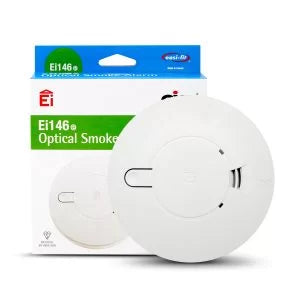 Save £4.54
Aico Ei146e Optical Smoke Alarm - Mains Powered with Battery Backup - SKU: Ei146e
£ 23 14RRP: £27.685 Years Warranty Save £8.93
Aico Ei3000MRF SmartLINK Module - Wireless Interconnection for 3000 Series - SKU: Ei3000MRF
£ 50 99RRP: £59.925 Years Warranty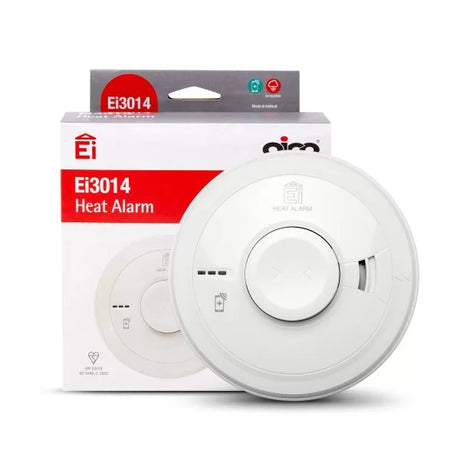 Save £9.09
Aico Ei3014 Heat Alarm - High-Performance Thermistor Sensor - Ei3014, Ei3000MRF Compatible
£ 48 99RRP: £58.085 Years Warranty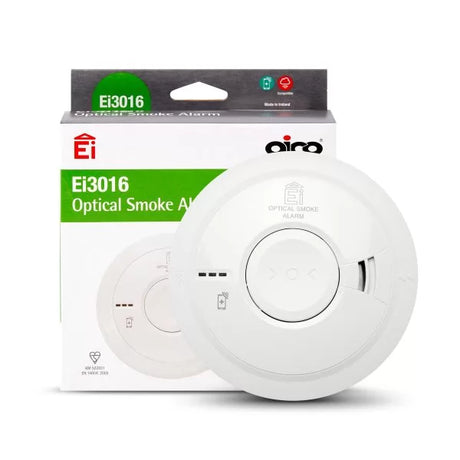 Save £8.79
Aico Ei3016 Optical Smoke Alarm - High-Performance Sensor - Ei3016, Ei3000MRF Compatible
£ 46 99RRP: £55.785 Years Warranty Save £24.00
 Save £12.29
Aico Ei630iRF RadioLINK+ Battery Heat Alarm - 10-Year Lithium, AudioLINK+ - SKU: Ei630iRF
£ 64 99RRP: £77.285 Years Warranty Save £3.91
Aico Ei650i Battery Optical Smoke Alarm - 10-Year Lithium, AudioLINK+ - SKU: Ei650i
£ 20 15RRP: £24.065 Years Warranty Save £12.03
Aico Ei650iRF RadioLINK+ Optical Smoke Alarm - 10-Year Battery, AudioLINK+ - SKU: Ei650iRF
£ 63 99RRP: £76.025 Years Warranty Save £7.67
 Save £16.22
Aico Ei660iRF RadioLINK+ Multi-Sensor Fire Alarm - Optical & Heat - SKU: Ei660iRF
£ 85 99RRP: £102.215 Years Warranty Save £10.14
Aico RadioLINK Switched Input Module, 10 Year Lithium Battery Ei408
£ 50 69RRP: £60.83 Save £41.44
Aico RadioLINK+ Fire/CO Alarm Interface, Built-In Relays, Lithium Back-Up Ei414
£ 207 21RRP: £248.65 Save £7.56

Airsense 9-30671 basic detector, White
£ 1,390 12 Save £20.13
 Save £12.88
 Save £17.66
 Save £26.98
 Save £26.98
 Save £15.98
 Save £20.13
 Save £16.64
EN54 HeatFast delivery Tomorrow, 11 Nov
 Save £18.30
Ajax EN54 FireProtect Heat+Sounder Jeweller, Wireless EN54 Heat Detector
EN54Fast delivery Tomorrow, 11 Nov


Choosing Smoke Alarms & Detectors
Smoke alarms sense smoke and sound a loud warning, and include mains and battery alarms for homes, wireless Ajax detectors and addressable detectors for fire alarm panels. Start with where the device reports: to its own sounder, to other alarms in the home, or to a panel.
Alarm, wireless detector or addressable head
Smoke and heat alarms sound locally: the Aico Ei146e interconnects by hardwire or RadioLINK, the Ei650iRF, Ei630iRF and Ei660iRF by RadioLINK+, and the Ei650i is standalone. Ajax FireProtect, Hikvision AX-Pro, Pyronix and Texecom detectors report to their own security hub. Nittan Evolution and C-TEC CAST heads connect to an addressable fire panel loop.
Optical, heat or multi-sensor
Optical alarms with a photoelectric chamber, such as the Aico Ei146e and Ei650i, suit bedrooms, halls and landings. Heat alarms and detectors, fixed-temperature or rate-of-rise, suit kitchens and garages where fumes or dust would trouble a smoke head. Multi-sensor models such as the Aico Ei660i and C-TEC C4414 combine optical and heat sensing.
Power
Battery models with a sealed 10-year lithium cell, such as the Aico Ei650i and Ajax FireProtect 2 SB, avoid battery changes. Mains models with backup, such as the Aico Ei146e and Espire ES1SLV, suit new-build and rewired homes.
| Device | Reports to | Examples |
|---|---|---|
| Standalone smoke alarm | Its own sounder | Aico Ei650i |
| Interlinked smoke alarm | Its own sounder and linked Aico alarms | Aico Ei146e, Aico Ei650iRF |
| Heat alarm | Its own sounder; linked Aico alarms (Ei3014, Ei630iRF) | Aico Ei3014, Aico Ei630iRF, Espire ES1HRV |
| Wireless detector | An Ajax, AX-Pro, Pyronix or Texecom hub | Ajax FireProtect 2, Hikvision DS-PDSMK-E-WE |
| Addressable detector | A fire alarm panel loop | Nittan EV-P, C-TEC CA416 |
Standards & compliance
Smoke alarms listing EN 14604 include the Aico Ei146e and Ei650i, Espire ES1SLV and Mercury 350.126UK, and heat alarms listing BS 5446-2 include the Aico Ei144e, Espire ES1HRV and Mercury 350.130UK; the Aico Ei660i and Espire ES1MUL list both. Among detectors, the Nittan EV-P and C-TEC C4416 list EN 54-7, the C4403A1R lists EN 54-5, and the C4414 and Nittan EV-PH list both. Where a product lists no standard, check its documentation.
Brands we stock in Smoke Alarms & Detectors
Aico, Airsense, Ajax, Apollo Fire, Axis Communications, C-TEC, Comelit PAC, CQR, Cygnus, Dahua Technology, Eaton, ESP, Hikvision, Kidde, Mercury, Nittan, Notifier, Pyronix, Takex and Texecom.
Ajax, ESP and Aico make most of the alarms and detectors, and the panel detectors come from makers such as C-TEC and Nittan.
Related categories
For wireless and radio-linked alarms see smart and wireless smoke alarms, for kitchens heat alarms, and for fuel-burning appliances carbon monoxide detectors.
Frequently asked questions
What fire alarm system does a home need?
A home usually needs interlinked smoke alarms on escape routes such as hallways and landings, plus a heat alarm in the kitchen. Rented homes and homes in Scotland have their own legal requirements, and a carbon monoxide alarm should be fitted near a fuel-burning appliance. Look for mains alarms with battery backup or sealed lithium battery alarms. The range here includes smoke, heat and multi-sensor alarms.
Can smoke alarms work without a battery?
Yes, mains-powered smoke alarms run from the home's electrical supply, but they usually include a backup battery so they keep working during a power cut. Check whether the backup is a replaceable battery or a built-in rechargeable one. A battery-powered alarm will not work without its battery. The range here includes mains-powered smoke alarms with battery backup.
How do you test a smoke alarm?
To test a smoke alarm, press and hold its test button until the sounder goes off; on an interlinked system, the other alarms should sound too. Test smoke alarms at least once a month. If the alarm stays silent, change the battery or replace the alarm. The range here includes smoke alarms with a test button and automatic self-test.
How do you change the battery in a smoke alarm?
To change a smoke alarm battery, twist or slide the alarm off its base and open the battery compartment. Fit a new battery of the type marked on the alarm, refit it and press the test button. If the alarm has a sealed lithium battery, there is no battery to change, so replace the alarm when it signals end of life. The range here includes battery and mains-powered smoke alarms.
What is a smoke alarm?
A smoke alarm is a self-contained device that senses smoke and sounds a loud alarm to warn the people in a building. Unlike a smoke detector wired to a fire alarm panel, it has its own built-in sounder and needs no control panel. Alarms can use optical, ionisation or multi-sensor detection. The range here includes battery, mains and wireless smoke alarms.
Why buy from West Midlands Electrics
- Established 1975
- Birmingham trade counter
- UK-only supply
Updated
You may also like
-
Save £1.94
Addressable Rate-of-Rise Heat Detector EV-H-A1R, A1R 54°C, Evolution FSK
£ 26 14RRP: £28.08Fast delivery Tomorrow, 11 Nov -
Save £43.55
Aico Ei1000G SmartLINK Gateway - Remote Monitoring for RF Alarms - SKU: Ei1000G
£ 224 99RRP: £268.545 Years Warranty -
Save £6.36
Aico Ei144e Heat Alarm - Mains Powered with Battery Backup - SKU: Ei144e
£ 32 99RRP: £39.355 Years Warranty -
Save £4.54
Aico Ei146e Optical Smoke Alarm - Mains Powered with Battery Backup - SKU: Ei146e
£ 23 14RRP: £27.685 Years Warranty -
Save £8.93
Aico Ei3000MRF SmartLINK Module - Wireless Interconnection for 3000 Series - SKU: Ei3000MRF
£ 50 99RRP: £59.925 Years Warranty -
Save £9.09
Aico Ei3014 Heat Alarm - High-Performance Thermistor Sensor - Ei3014, Ei3000MRF Compatible
£ 48 99RRP: £58.085 Years Warranty -
Save £8.79
Aico Ei3016 Optical Smoke Alarm - High-Performance Sensor - Ei3016, Ei3000MRF Compatible
£ 46 99RRP: £55.785 Years Warranty -
Save £24.00
-
Save £12.29
Aico Ei630iRF RadioLINK+ Battery Heat Alarm - 10-Year Lithium, AudioLINK+ - SKU: Ei630iRF
£ 64 99RRP: £77.285 Years Warranty -
Save £3.91
Aico Ei650i Battery Optical Smoke Alarm - 10-Year Lithium, AudioLINK+ - SKU: Ei650i
£ 20 15RRP: £24.065 Years Warranty -
Save £12.03
Aico Ei650iRF RadioLINK+ Optical Smoke Alarm - 10-Year Battery, AudioLINK+ - SKU: Ei650iRF
£ 63 99RRP: £76.025 Years Warranty -
Save £7.67
-
Save £16.22
Aico Ei660iRF RadioLINK+ Multi-Sensor Fire Alarm - Optical & Heat - SKU: Ei660iRF
£ 85 99RRP: £102.215 Years Warranty -
Save £10.14
Aico RadioLINK Switched Input Module, 10 Year Lithium Battery Ei408
£ 50 69RRP: £60.83 -
Save £41.44
Aico RadioLINK+ Fire/CO Alarm Interface, Built-In Relays, Lithium Back-Up Ei414
£ 207 21RRP: £248.65 -
Save £7.56
-
Airsense 9-30671 basic detector, White
£ 1,390 12 -
Save £20.13
-
Save £12.88
-
Save £17.66
-
Save £26.98
-
Save £26.98
-
Save £15.98
-
Save £20.13
-
Save £16.64
EN54 HeatFast delivery Tomorrow, 11 Nov
-
Save £18.30
Ajax EN54 FireProtect Heat+Sounder Jeweller, Wireless EN54 Heat Detector
EN54Fast delivery Tomorrow, 11 Nov